Book Appointment Now

Hair Implants in Colombia: A Comprehensive Guide
 By
By
A hair transplant in Colombia costs $2,000 to $5,000, up to 87 percent less than US prices, performed at accredited clinics in Bogotá and Medellín by ISHRS-member surgeons.
Colombia welcomes roughly 85,000 international patients a year (ProColombia) and holds 6 JCI-accredited hospitals. A FUE hair transplant runs $2,000 to $5,000 versus $5,000 to $15,000 in the United States, with Miami flights to Medellín under 4 hours and no visa required for US, Canadian, or UK citizens.
Our network connects you with hair restoration clinics in Bogotá, Medellín, and Cartagena, each vetted for Colombian Ministry of Health licensing, ISHRS-member surgeons, and English-speaking coordinators. Below, you will find cost tables, a FUE versus FUT versus DHI comparison, recovery timelines based on ISHRS guidance, travel planning, and answers to the questions patients ask most.
What Is a Hair Transplant?
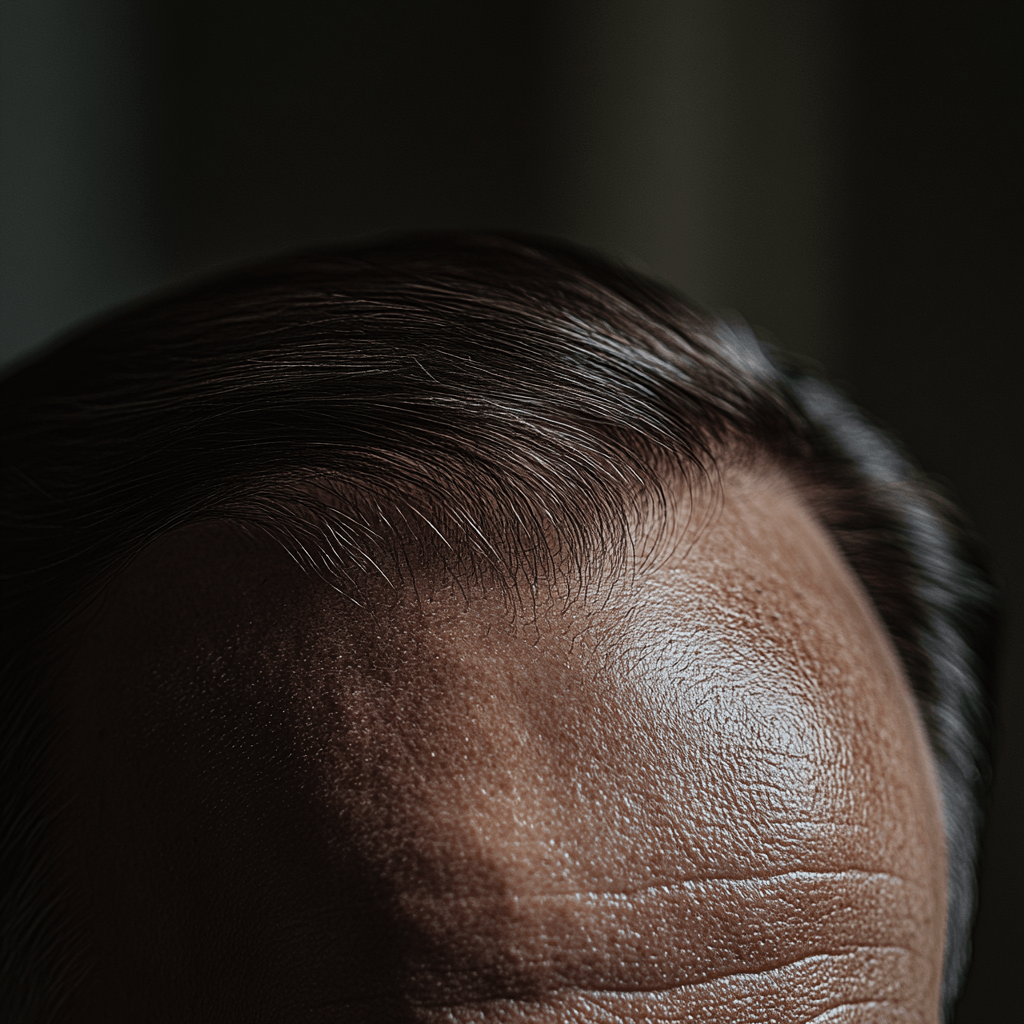
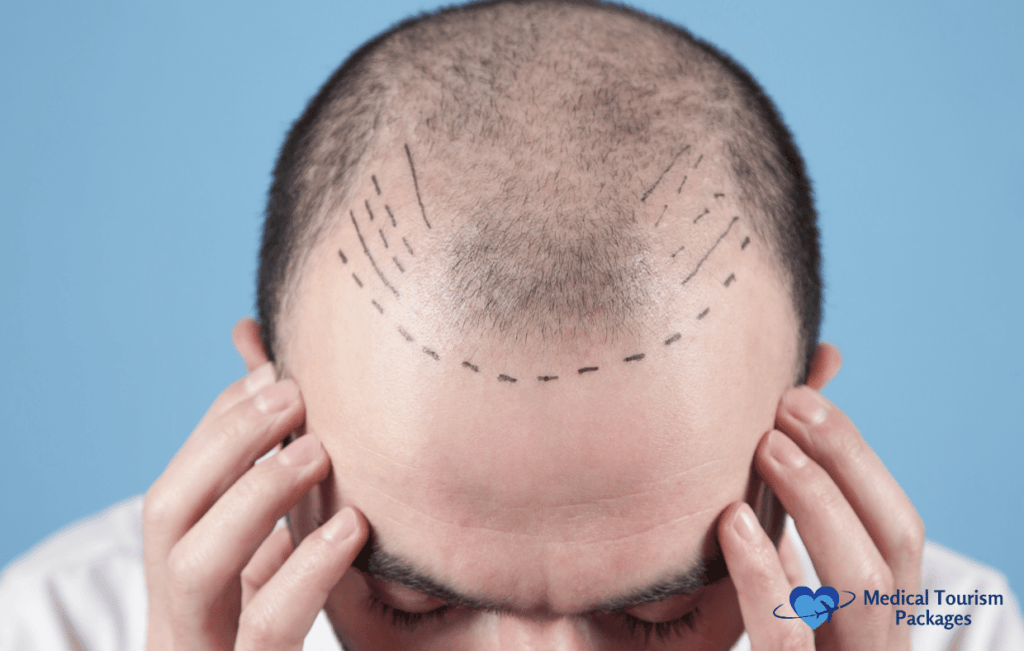
A hair transplant moves healthy hair follicles from the back or sides of your scalp into thinning or bald areas. The follicles keep growing in their new location. The procedure takes 4 to 8 hours per session under local anesthesia, according to the International Society of Hair Restoration Surgery (ISHRS).
Surgeons in Colombia use two main harvesting methods. FUE (Follicular Unit Extraction) removes follicles one at a time, leaving tiny dot scars. FUT (Follicular Unit Transplantation) removes a thin strip of scalp and divides it into grafts. Both produce permanent results because donor follicles resist the hormone that causes pattern baldness. You can review the full range of hair implant options and what each technique involves before deciding.
What Conditions Can a Hair Transplant Treat?
A hair transplant treats permanent hair loss caused by genetics, autoimmune disease, or scarring. The most common reason is androgenetic alopecia, also known as male or female pattern baldness. Surgeons grade loss using the Norwood-Hamilton scale for men and the Ludwig scale for women.
Surgeons treat three main conditions with transplant surgery:
- Androgenetic alopecia: Pattern baldness. A Norwood 3 case needs roughly 2,000 to 3,000 grafts; advanced Norwood 6 to 7 cases often need 4,500 or more.
- Alopecia areata: Patchy autoimmune loss. Transplants work best when the condition has stayed stable for two or more years.
- Traumatic alopecia: Loss from burns, accidents, or surgical scars. Scar tissue needs careful graft placement.
Who Is a Good Candidate for a Hair Transplant?
You are a good candidate if you have stable hair loss, enough donor density at the back of your scalp, and realistic goals. The ISHRS notes that surgeons assess donor supply before recommending surgery, since the transplant only redistributes the hair you already have.
Before recommending surgery, many surgeons suggest trying medical therapy first. Finasteride and minoxidil can slow loss, and platelet-rich plasma (PRP) therapy may support existing follicles. These options cost less and suit early-stage thinning, while a transplant gives a permanent structural result for established baldness.
How Much Does a Hair Transplant Cost in Colombia?
A hair transplant costs $2,000 to $5,000 in Colombia, compared to $5,000 to $15,000 in the United States. That is up to 87 percent savings, according to Hero Hair Institute pricing data. The final price depends on graft count, technique, and clinic, working out to roughly $1.00 to $1.50 per graft.
What Does a Hair Transplant Cost by Graft Count?
Colombian clinics price most procedures by the number of grafts, within a $2,000 to $5,000 range:
| Grafts Needed | Typical Case | Colombia Cost (USD) |
|---|---|---|
| 1,500 to 2,000 | Receding hairline (Norwood 2 to 3) | $2,000 to $3,000 |
| 2,500 to 3,000 | Crown and hairline (Norwood 3 to 4) | $3,000 to $4,000 |
| 3,500 to 4,500 | Extensive loss (Norwood 5 to 6) | $4,000 to $5,000 |
Larger cases above 4,500 grafts may need two sessions. Many clinics bundle airport pickup, hotel nights, and bilingual support into a single package price, so confirm what each quote includes before you book.
How Do Colombia’s Prices Compare to Other Countries?
Colombia sits among the most affordable hair transplant destinations, well below US and Canadian prices. Here is how a comparable FUE procedure compares across countries:
| Country | FUE Cost (USD) | Savings vs US |
|---|---|---|
| United States | $5,000 to $15,000 | Baseline |
| Colombia | $2,000 to $5,000 | Up to 87% |
| Panama | $3,000 to $7,000 | Up to 67% |
| Mexico | $2,500 to $5,000 | Up to 83% |
| Costa Rica | $2,000 to $4,500 | Up to 87% |
Colombia and Turkey are often compared on price. Colombia charges per graft like US clinics, just at a far lower rate, while Turkish clinics use fixed packages that can be cheaper for very large cases above 4,000 grafts. Colombia’s advantage for North American patients is proximity, with flights from Miami under four hours. For a regional view, our hair transplant cost by country across Latin America compares each destination, and you can also weigh nearby options like hair implants in Panama.
What Factors Affect the Cost?
Five factors move the final price within Colombia’s $2,000 to $5,000 range:
| Factor | How It Affects Cost |
|---|---|
| Graft count | More grafts mean a higher total; this is the main driver. |
| Technique | FUE and DHI take more time and skill than FUT, so they cost more. |
| Surgeon experience | Established hair restoration surgeons charge premium rates. |
| City | Bogotá and Medellín have the most clinics and competitive pricing. |
| Package extras | Hotel, transport, and aftercare raise the all-in total. |
What Hair Transplant Techniques Are Used in Colombia?
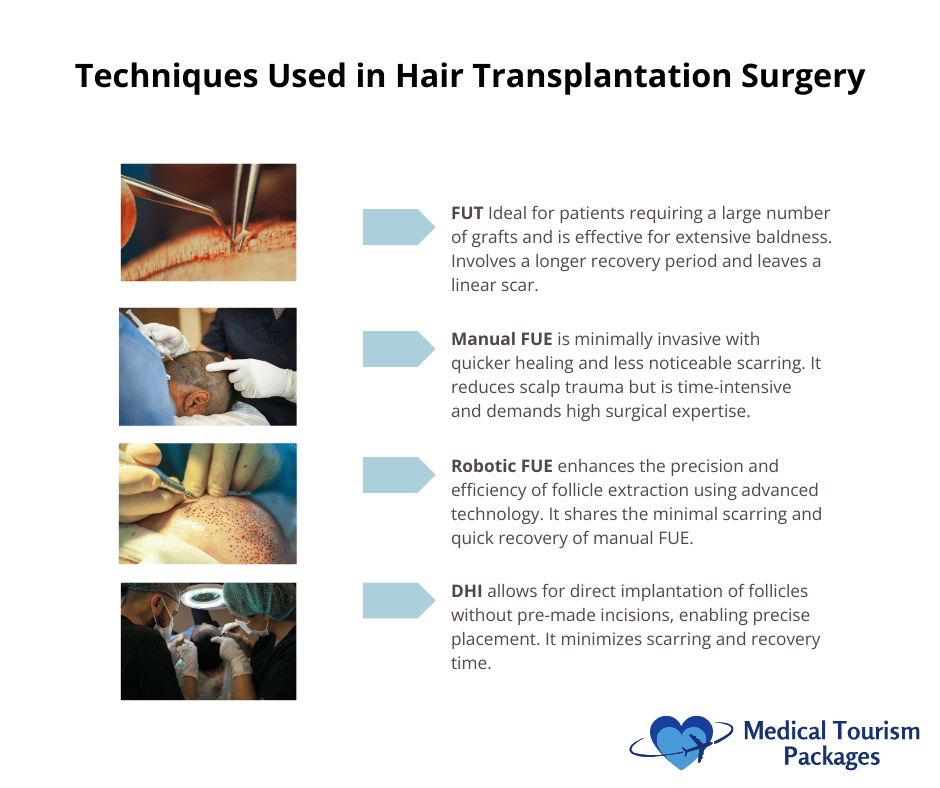
Colombian clinics offer three main techniques: FUE, FUT, and DHI. FUE extracts follicles individually with minimal scarring. FUT harvests a scalp strip and suits large cases. DHI uses a Choi implanter pen to place grafts directly. The ISHRS reports that surgeon skill matters more than the technique name for natural results.
How Do FUE, FUT, and DHI Compare?
Each technique differs in scarring, recovery, and best-fit patient:
| Technique | How It Works | Scarring | Best Fit | Relative Cost |
|---|---|---|---|---|
| FUE | Follicles extracted one by one | Tiny dot scars, hard to see | Most patients; short hairstyles | Higher |
| DHI | Choi pen implants grafts directly | Minimal; no pre-made channels | Dense packing, hairline detail | Highest |
| FUT | Strip of scalp divided into grafts | Linear scar at donor site | Very large sessions, longer hair | Lower |
| Robotic FUE | ARTAS system assists extraction | Same as manual FUE | Patients wanting computer precision | Higher |
FUE is the most requested method because it heals quickly and hides scarring. DHI gives surgeons fine control over angle and density, which helps when rebuilding a natural hairline. FUT remains useful when a patient needs the maximum number of grafts in one visit.
Can You Get a Beard Transplant in Colombia?
Yes, you can get a beard transplant in Colombia using the same FUE or DHI techniques as scalp surgery. Clinics in Medellín and Bogotá move single-hair grafts from the scalp donor area to the face, implanting them at a 45-degree angle for a natural direction.
Beard transplant recovery follows a similar timeline to scalp work. Initial healing takes 7 to 10 days, new growth begins around 3 to 4 months, and full results settle by 8 to 12 months. Because scalp hair grows faster than facial hair, expect to trim the new beard regularly.
Where Are the Best Cities and Clinics for a Hair Transplant in Colombia?
Bogotá and Medellín host the most hair transplant clinics in Colombia, with Cartagena offering a coastal recovery option. The best clinics hold Colombian Ministry of Health accreditation, employ ISHRS-member surgeons, and provide English-speaking coordinators for international patients. Our guide for American medical tourists in Colombia covers hospitals, safety, and travel planning in more detail.
What Should You Look for in a Bogotá Clinic?
In Bogotá, look for clinics with surgeons trained in hair restoration and transparent per-graft pricing. As Colombia’s capital, the city has the deepest pool of specialists and advanced facilities. Major hospitals like Fundación Santa Fe de Bogotá, which has held JCI accreditation since 2010 and partners with Johns Hopkins Medicine International, show the standard of accredited care the city supports.
What Should You Look for in a Medellín Clinic?
In Medellín, the El Poblado district concentrates many hair restoration clinics with English-speaking teams. The city’s spring-like climate makes it comfortable for recovery. Medellín also hosts Hospital Pablo Tobón Uribe, JCI-accredited since 2015, which reflects the wider quality of accredited medical care available in the city.
How Do You Choose the Right Hair Transplant Surgeon in Colombia?
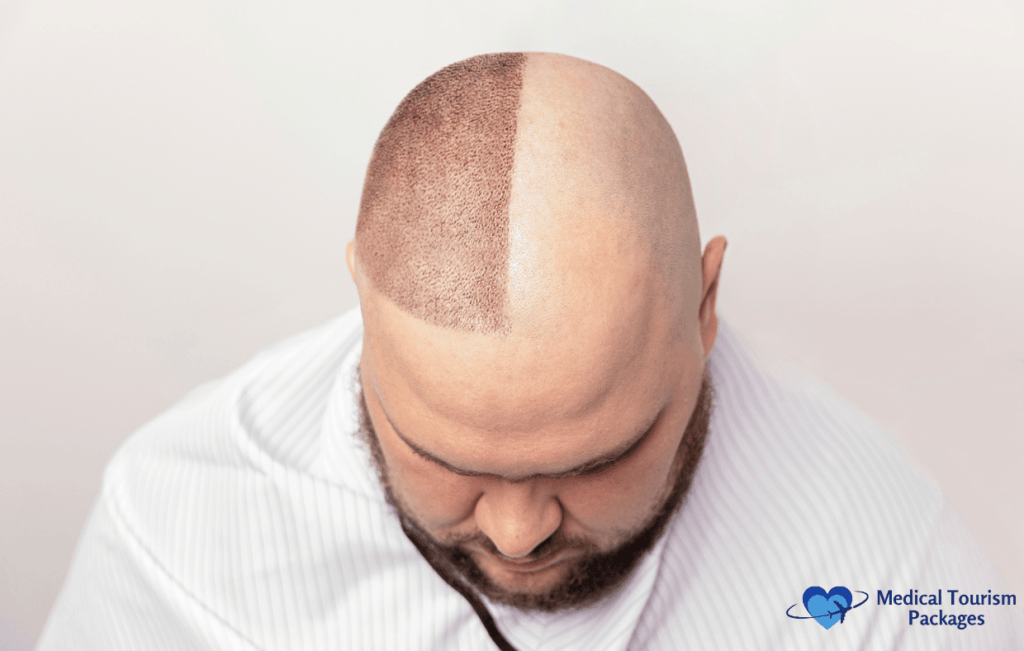
You choose the right surgeon by verifying credentials, reviewing real patient results, and confirming clear communication. The ISHRS stresses that the surgeon’s skill drives outcomes more than any single technique, so prioritize documented experience over marketing claims.
What Credentials and Accreditation Should You Verify?
Confirm these credentials before booking any clinic:
- ISHRS membership: Shows the surgeon follows international hair restoration standards.
- Medical board registration: The surgeon should belong to a body such as the Sociedad Colombiana de Cirugía Plástica.
- Clinic Habilitación: Colombian Ministry of Health licensing that confirms the facility meets safety rules.
- Hair restoration focus: Look for a specialist who performs transplants regularly, not occasionally.
What Questions Should You Ask Before Booking?
Ask each clinic these questions during your consultation:
- How many grafts do I need, and what is the all-in price?
- Which technique do you recommend for my hair loss pattern, and why?
- Can I see before-and-after photos of patients with similar loss?
- Who performs the extraction and implantation, the surgeon or technicians?
- What aftercare and follow-up do you provide once I return home?
How Is a Hair Transplant Performed in Colombia?
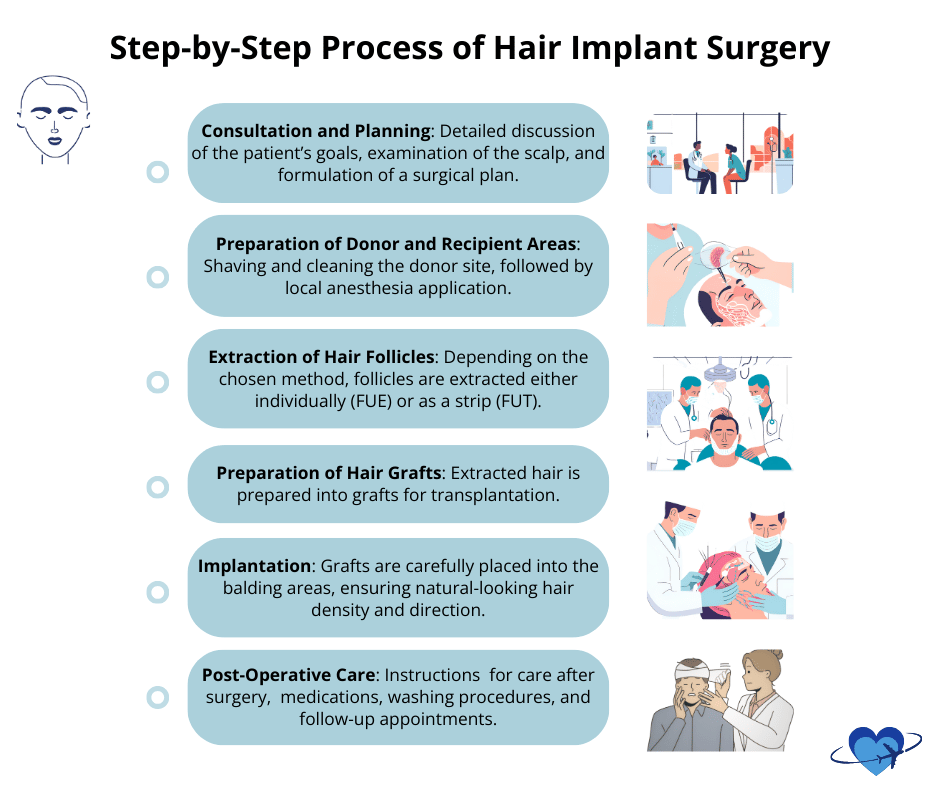
A hair transplant in Colombia follows six clear steps over a single outpatient day. Surgeons work under local anesthesia, so you stay awake but feel no pain. The full session lasts 4 to 8 hours depending on graft count, per ISHRS guidance, and you go home the same day.
What Are the Steps of the Procedure?
The procedure follows these steps in order:
- Consultation and planning: The surgeon examines your scalp, confirms graft count, and designs the hairline.
- Prepare the areas: The team trims and cleans the donor and recipient zones, then applies local anesthesia.
- Extract follicles: Follicles come out one by one (FUE) or as a strip (FUT).
- Prepare grafts: Technicians sort and trim the follicles into ready grafts.
- Implant grafts: The surgeon places each graft for natural density, angle, and direction.
- Aftercare briefing: You receive washing, medication, and follow-up instructions before leaving.
What Anesthesia and Pre-Operative Testing Are Used?
Surgeons use local anesthesia for hair transplants, sometimes adding mild sedation for comfort. The ISHRS lists trichoscopy and a donor density assessment as standard pre-operative tests, along with blood work and baseline photographs. These checks confirm you have enough donor hair and rule out conditions that could affect healing.
What Is Recovery Like After a Hair Transplant in Colombia?
Recovery moves through four phases, and final results appear at 12 to 18 months, according to the ISHRS. The first days involve mild swelling and scabbing. Transplanted hairs shed around weeks 3 to 9, which is normal, then regrow. Most patients resume normal activity within a few days.
What Does the Recovery Timeline Look Like?
The ISHRS describes four recovery phases for FUE patients:
| Phase | Timeframe | What Happens | Key Restrictions |
|---|---|---|---|
| Acute healing | Days 1 to 3 | Donor and recipient areas begin to heal; swelling managed | No hair washing; sleep with head elevated |
| Crusting and shedding | Days 4 to 21 | Scabs form and fall off; donor area heals | Gentle washing only; no sun or swimming |
| Shock loss | Days 22 to 90 | Transplanted hairs shed; follicles rest | Resume normal activity; continue any prescribed meds |
| New growth | Day 91 to 18 months | Hair regrows and density builds gradually | Continue PRP or medical therapy if advised |
When Can You Fly Home After Surgery?
You can usually fly home about 5 days after a hair transplant, with a total in-country stay of 5 to 7 days, per ISHRS recovery guidance. This window lets the surgeon check early healing and remove any non-dissolving sutures from FUT cases. Keep your scalp protected from sun during the flight.
Is a Hair Transplant in Colombia Safe?
Yes, a hair transplant in Colombia is safe when performed by an accredited surgeon in a licensed clinic. It is an outpatient procedure with local anesthesia and a low complication rate. The ISHRS reports high success and patient satisfaction when patients choose experienced surgeons and follow aftercare instructions.
What Are the Risks and Complications?
Most side effects are mild and temporary. The ISHRS lists these as the main risks:
| Risk | What It Is | How It Is Managed |
|---|---|---|
| Swelling | Mild puffiness around the forehead in the first days | Head elevation and cold compresses |
| Shock loss | Temporary shedding of transplanted or nearby hair | Resolves on its own as new growth begins |
| Folliculitis | Small pimples in the recipient area | Topical care; usually self-limiting |
| Infection | Rare with sterile technique | Antibiotics and proper wound care |
| Donor scarring | Dot pattern (FUE) or a thin line (FUT) | Choose FUE for less visible scarring |
What Are the Advantages and Disadvantages?
Weigh these trade-offs before choosing Colombia for your hair transplant:
| Factor | Advantage | Disadvantage |
|---|---|---|
| Cost | Up to 87% savings versus the US | Adds travel and hotel costs |
| Access | Flights from Miami under 4 hours | Longer trips from western US cities |
| Language | English-speaking clinics in Bogotá and Medellín | Spanish dominates outside clinics |
| Quality | ISHRS-member surgeons and accredited facilities | Quality varies; vetting is essential |
| Follow-up | Many clinics offer remote check-ins | In-person revisions require return travel |
How Do You Plan Your Trip to Colombia for a Hair Transplant?
You plan your trip by booking your clinic first, then arranging flights and a 5 to 7 day stay. US, Canadian, and UK citizens need no advance visa for Colombia and can stay up to 180 days. Fly into Bogotá (BOG) or Medellín (MDE), the two main hair transplant hubs.
What Are the Flight Times and Visa Requirements?
Direct flights connect major US cities to Bogotá and Medellín:
| From | To | Flight Time | Roundtrip (USD) |
|---|---|---|---|
| Miami | Medellín | 3.5 hours | $320 to $600 |
| Miami | Bogotá | 4 hours | $300 to $550 |
| Houston | Medellín | 4.75 hours | $400 to $700 |
| New York (JFK) | Bogotá | 6 hours | $400 to $700 |
| Los Angeles | Bogotá | 7.25 hours | $450 to $800 |
Your passport must stay valid for at least 6 months beyond your entry date, and immigration may ask for a return ticket. The local currency is the Colombian peso, though international clinics widely accept US dollars and cards.
Frequently Asked Questions About Hair Transplants in Colombia
How Much Does a Hair Transplant Cost in Colombia?
A hair transplant costs $2,000 to $5,000 in Colombia, versus $5,000 to $15,000 in the United States, according to Hero Hair Institute data. That is up to 87 percent savings, or roughly $1.00 to $1.50 per graft. The total depends on graft count, technique, and clinic.
How Do Colombia’s Prices Compare to the US and Turkey?
Colombia costs $2,000 to $5,000, far below the US range of $5,000 to $15,000. Turkey can be cheaper for very large cases because it uses fixed packages, while Colombia charges per graft. Colombia’s edge for North Americans is proximity, with Miami flights under four hours.
What Is the Difference Between FUE, FUT, and DHI?
FUE extracts follicles one by one and leaves tiny dot scars. FUT removes a scalp strip and suits very large cases but leaves a thin line. DHI uses a Choi implanter pen for precise placement. The ISHRS notes surgeon skill matters more than the technique chosen.
How Long Does Recovery Take After a Hair Transplant?
Most patients return to normal activity within a few days, while scabbing clears in about two weeks. Transplanted hairs shed around weeks 3 to 9, then regrow. Final results appear at 12 to 18 months, with most growth visible by month 12, according to the ISHRS.
When Can You Fly Home After a Hair Transplant?
You can usually fly home about 5 days after surgery, with a total in-country stay of 5 to 7 days, per ISHRS recovery guidance. This lets the surgeon check early healing first. Keep your scalp shaded from sun during travel and avoid bumping the grafts.
How Do You Verify a Hair Transplant Surgeon’s Qualifications in Colombia?
Verify ISHRS membership, registration with a board such as the Sociedad Colombiana de Cirugía Plástica, and clinic Habilitación from the Colombian Ministry of Health. Ask to see before-and-after photos of similar cases and confirm who performs the surgery. The ISHRS says surgeon skill drives outcomes most.
Can You Get a Beard Transplant in Colombia?
Yes, clinics in Medellín and Bogotá perform beard transplants using FUE or DHI. Surgeons move single-hair grafts from your scalp to the face at a 45-degree angle for a natural look. Initial healing takes 7 to 10 days, and full results settle by 8 to 12 months.
Ready to Start Your Hair Transplant Journey in Colombia?
Medical Tourism Packages coordinates your full hair transplant journey in Colombia. We connect you with accredited clinics in Bogotá, Medellín, and Cartagena, arrange your flights and hotel, and provide bilingual support from arrival to follow-up.
Contact us today for a free consultation and a personalized hair transplant package in Colombia.