Book Appointment Now

Affordable Full Body MRI Scans in Latin America: Trusted Imaging Centers & Full Packages
Accredited imaging centers, English reports & complete scan packages at up to 90% less than premium US screening programs
30-90 minute scan
Same-week appointments
Up to 90% savings
A full body MRI in Latin America costs $400 to $1,000 and books within the same week. MTP coordinates full body MRI travel in Colombia, Mexico, Costa Rica, Panama, and Argentina. Choose a scan-only visit or pair it with a full executive health check.
Imaging centers use the same 1.5T and 3T scanner technology found in leading US hospitals, at much lower prices. English-language reports and organized travel support make the process simple.
Save money while accessing trusted preventive imaging in Latin America.
A full body MRI is a preventive imaging scan that screens your major organs in one session. It uses magnetic fields and no ionizing radiation. Radiologists use it to find tumors, aneurysms, and organ problems before symptoms appear. Standard screening scans need no contrast injection.
Take control of your health with up to 90% savings
A full body MRI can help you with:
You may be a suitable candidate for a full body MRI if:
What Happens During the Scan?
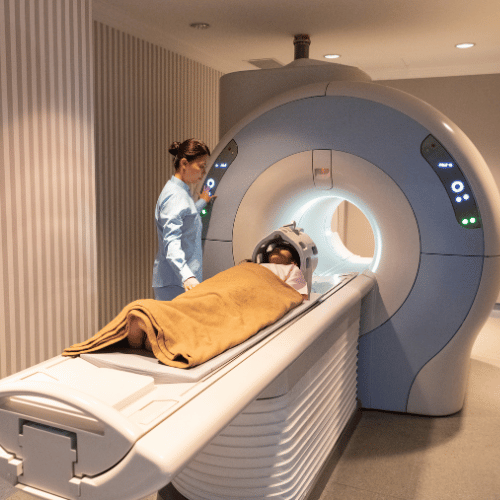
Your full body MRI takes one morning from check-in to check-out. Most centers finish the scan itself in under one hour. Here is the process:
1
Check-in and a short safety screening for metal implants and devices
2
Change into a gown and settle on the scanner table with earplugs or headphones
3
The scan runs 30 to 90 minutes while you lie still and breathe normally
4
A radiologist reads your images and writes a structured report
5
Closing step: you receive your report in English within days, explained in plain language
Best Countries for a Full Body MRI
Mexico, Colombia, Costa Rica, and Panama are the top choices for a full body MRI abroad. Patients pay $400 to $1,000 per scan, 60 to 90% less than premium US screening programs. Many partner centers operate inside JCI-accredited hospitals.
Radiologists are well trained, and many completed part of their education abroad. Each destination offers strong support with travel, accommodation, and scheduling.
This mix of lower costs, skilled radiologists, modern scanners, and patient support makes Latin America ideal for preventive imaging abroad.
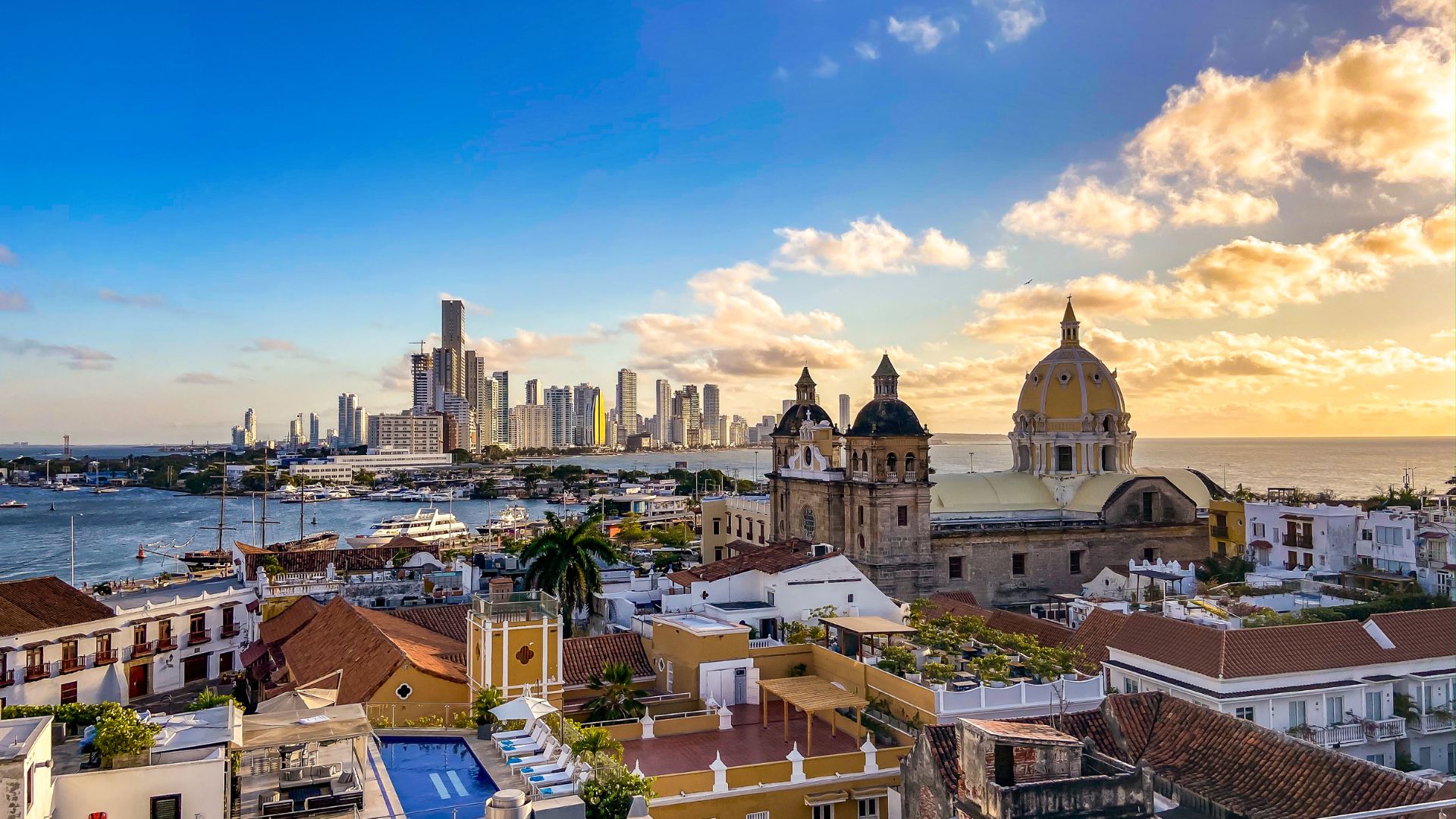
Excellent value and top-ranked hospitals in Bogotá and Medellín, with scans from $450. Home to our most complete executive health check program.
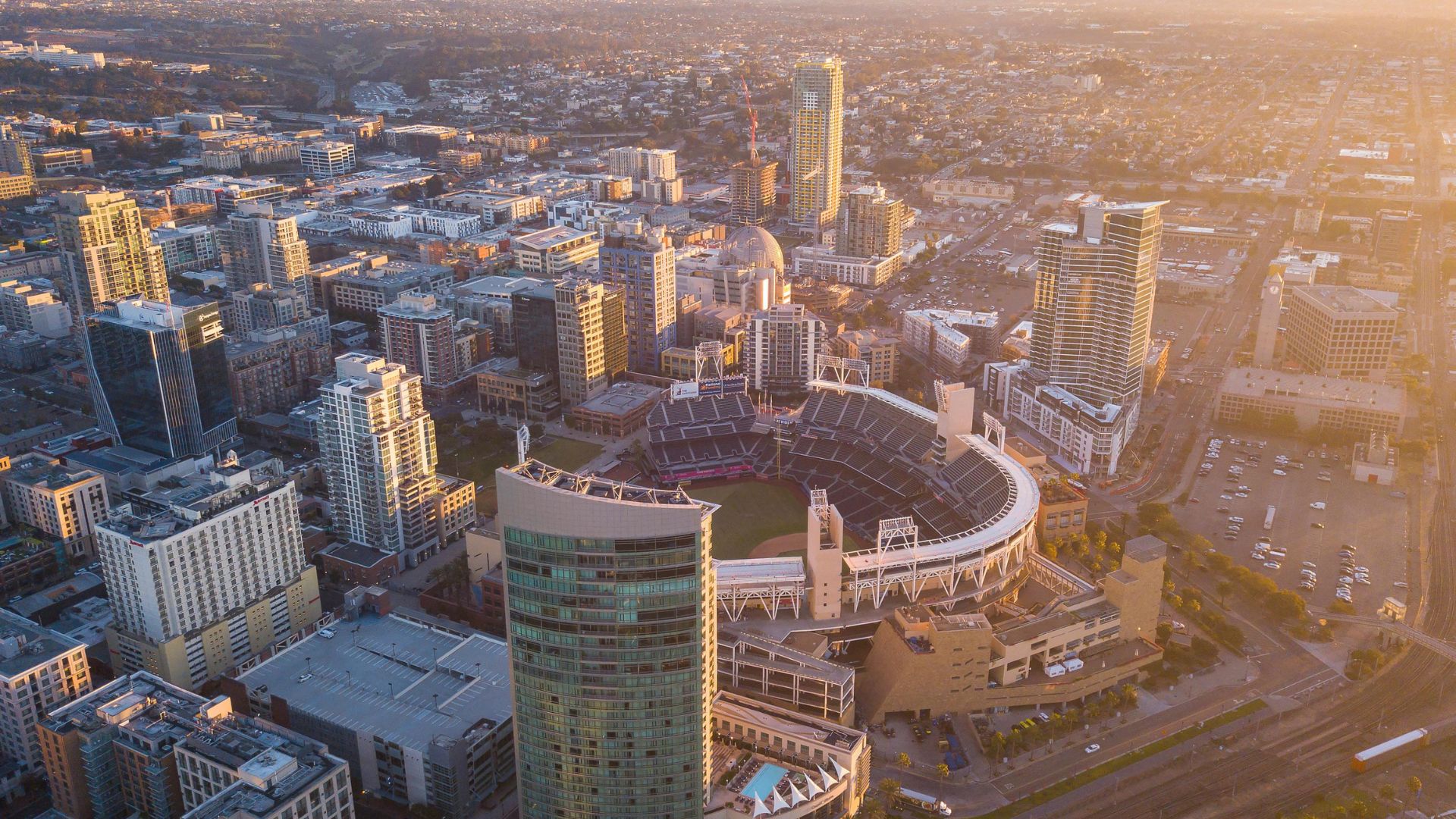
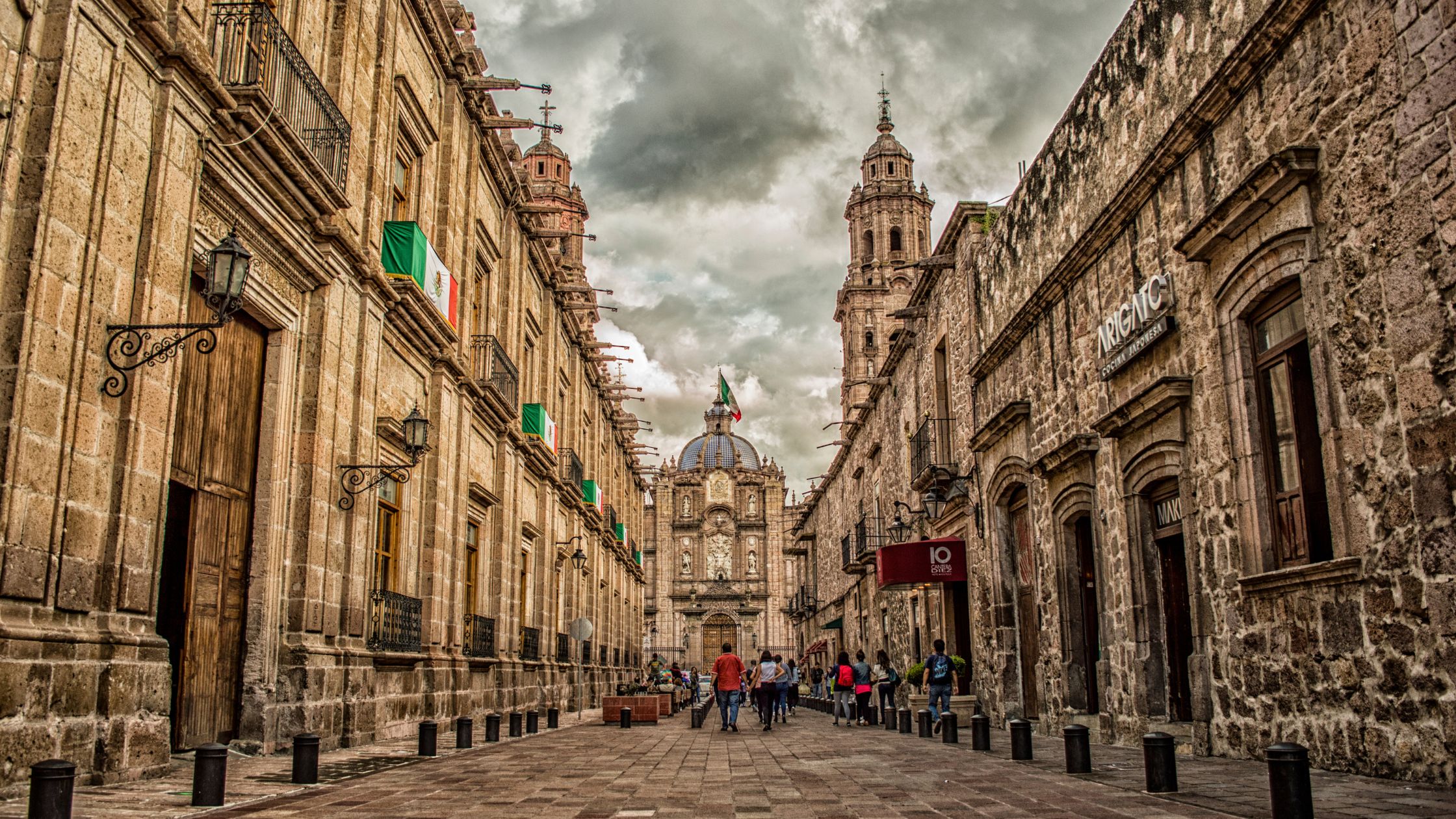
The shortest travel times for most US and Canadian patients, with scans from $400 in Mexico City and Guadalajara.
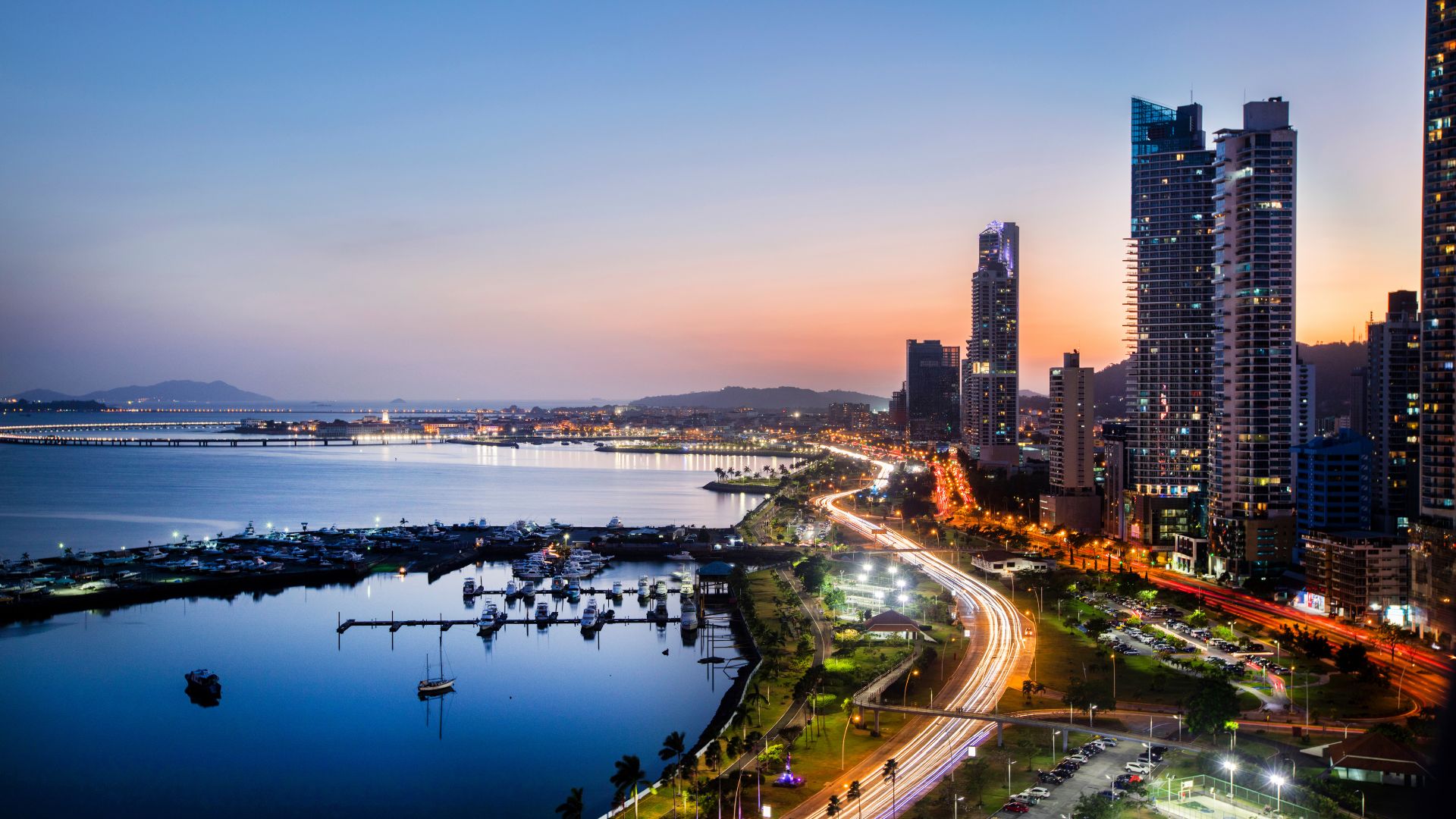
US-dollar pricing and US-trained radiologists, with scans from $500, under three hours from Miami.

Full body MRI in Argentina with MTP’s medical travel coordination. Plan your trip with support for travel arrangements and local logistics.
Full Body MRI Cost Comparison
Compare the prices and see how much you can save
| Country | Premium US screening programs | Full body MRI price | Savings % |
|---|---|---|---|
| Mexico | $2,499-3,999 | $400-800 | 68-84 % |
| Colombia | $2,499-3,999 | $450-750 | 70-82 % |
| Costa Rica | $2,499-3,999 | $500-900 | 64-80 % |
| Panama | $2,499-3,999 | $500-850 | 66-80 % |
Full Body MRI Options
Full body MRI packages come in several options, each suited to different needs and budgets.
Client Reviews


His_Child Blevins
May 12, 2026

Patrick Robinson
March 15, 2026

Scott Ahlberg
February 17, 2026

Jessica Amberg
January 21, 2026

Jaime Rivera
December 4, 2025

Jerry O
October 16, 2025

Samo Gonzalez
October 8, 2025

Alexander Braddell
October 7, 2025

Luisa Vargas
October 2, 2025

Alejandra Gutiérrez Botero
October 2, 2025

General Schedule – Standard Package for Full Body MRI Scans
- Before you arrive:
- Have an initial online meeting with your in-country MTP coordinator.
- Tell us which scan you want and share any relevant medical history.
- Confirm your package, price, and appointment before you fly.
- Day 1 – Arrival day:
- Upon your arrival, your MTP coordinator will welcome you at the airport.
- Transportation to your hotel will be arranged.
- Attend a welcome briefing with your MTP coordinator at the hotel.
- Day 2 – Scan morning:
- Your MTP coordinator picks you up and takes you to the imaging center.
- Complete your safety screening and your scan before midday.
- A radiologist reads your images and writes a structured report.
- At centers with same-day reporting, a physician reviews the findings with you that afternoon.
- You receive your report in English and your DICOM imaging files.
- Day 3 – Travel day or add-on morning:
- Executive health check upgrades run their lab and cardiac tests this morning.
- Scan-only patients can fly home or enjoy a free day in the city.
- Your MTP coordinator will meet you at the hotel for your departure.
- Transportation to the airport will be provided, and your coordinator will assist you through the airport up till customs.
- If your report comes later:
- Some centers deliver the radiologist report 3 to 5 days after your scan.
- A physician walks you through the findings by video call once you are home.
- Your report and DICOM files arrive by email and through a secure portal.
What to expect before, during, and after your Full Body MRI?
Before the scan:
- Tell your coordinator about any implants, devices, or metal in your body.
- Follow the center’s preparation instructions. Most screening scans need no special preparation.
- Leave jewelry and metal accessories at your hotel.
During the scan:
- You lie still on the padded table while the scanner builds images.
- The machine is loud, so you wear earplugs or headphones.
- You can talk to the technologist through an intercom at any time.
- Most scans finish within 30 to 90 minutes.
After the scan:
- There is no recovery time. You are free right after the scan.
- Some centers hand over your report the same day. Others send it within 3 to 5 days.
- A physician or radiologist explains the findings in plain language.
- Your DICOM files open in North American and European medical systems.
- If a finding needs follow-up, we help you plan next steps with your doctor.
Your Results Timeline
Here is what happens after your scan is done:
Same Day
You finish the scan and step straight back into your day. There is no downtime. Many patients pair scan day with lunch in the city.
Within One Week
Your radiologist report and DICOM files arrive by email and through a secure portal. Everything is available in English. A physician walks you through the findings.
Back Home
Your home physician opens the DICOM files directly in their own system. Partner centers answer follow-up questions from your doctor. Our coordinators help with every hand-off.
Every Year
An annual scan builds a year-on-year imaging baseline. Radiologists compare each new scan against your earlier images. Returning patients often pair the next scan with a holiday.
FAQs – Here we answer your common questions about Full Body MRI Scans
Find out more about how we coordinate your medical journey smooth and stress-free.
A full body MRI in Latin America costs $400 to $1,000 depending on the country and scanner type. Premium US screening programs charge $2,499 to $3,999. Most patients save 60 to 90%.
A full body MRI can detect tumors, aneurysms, cysts, and organ problems before symptoms appear. It covers the brain, spine, chest, abdomen, and pelvis. Radiologists flag any finding that needs follow-up.
The scan takes 30 to 90 minutes depending on the scanner type. 3T scanners finish in as little as 15 to 30 minutes. Plan one morning including check-in.
No, there is no recovery time. You are free right after the scan. Standard screening scans use no radiation, no contrast injection, and no sedation.
Some centers hand over your report the same day. Others send it within 3 to 5 days. It comes in English with your DICOM imaging files, and a physician explains the findings in plain language.
No, the scan is painless. You lie still while the scanner does the work. The machine is loud, so you wear earplugs or headphones.
Yes, MRI uses magnetic fields and no ionizing radiation. Standard screening scans need no contrast injection. Tell the center about any implants or devices before your scan.
Yes, when you want premium screening at local prices. You screen your whole body in one session for $400 to $1,000. Your doctor also gains an imaging baseline to track over time.
No referral is needed. You book directly through our coordinators. Most partner centers confirm your appointment within the same week.
Yes, we work with accredited partner centers in Bogotá, Medellín, Mexico City, San José, and Panama City. Many operate inside JCI-accredited hospitals, the same standard used by top US medical centers.
Yes, most technologists and coordinators in international patient programs speak English. Your radiologist report is delivered in English. Our coordinators provide bilingual support through your whole journey.
Yes, centers deliver imaging in DICOM format, which opens in North American and European medical systems. You also receive a written radiologist report. Partner centers answer follow-up questions from your doctor.
Many patients pay with HSA or FSA funds. Preventive screenings generally qualify as eligible medical expenses. Confirm the rules with your plan administrator and keep your itemized receipts.
Packages can include airport transfers, bilingual support, hotel stays, and appointment scheduling. Each plan is tailored to your needs.
The information provided here within should not be construed in any way as medical guidance or advice. Please consult with your medical physical or health provider. Information provided is for informative purposes only and may not capture all pertinent laws, standards, and best practices. The medical field is continually evolving; information mentioned may be outdated and/or could undergo changes. The interpretations presented are not official. Some sections are based on the interpretations or views of relevant authorities, but we cannot ensure that these perspectives will be supported in all professional settings.