Book Appointment Now

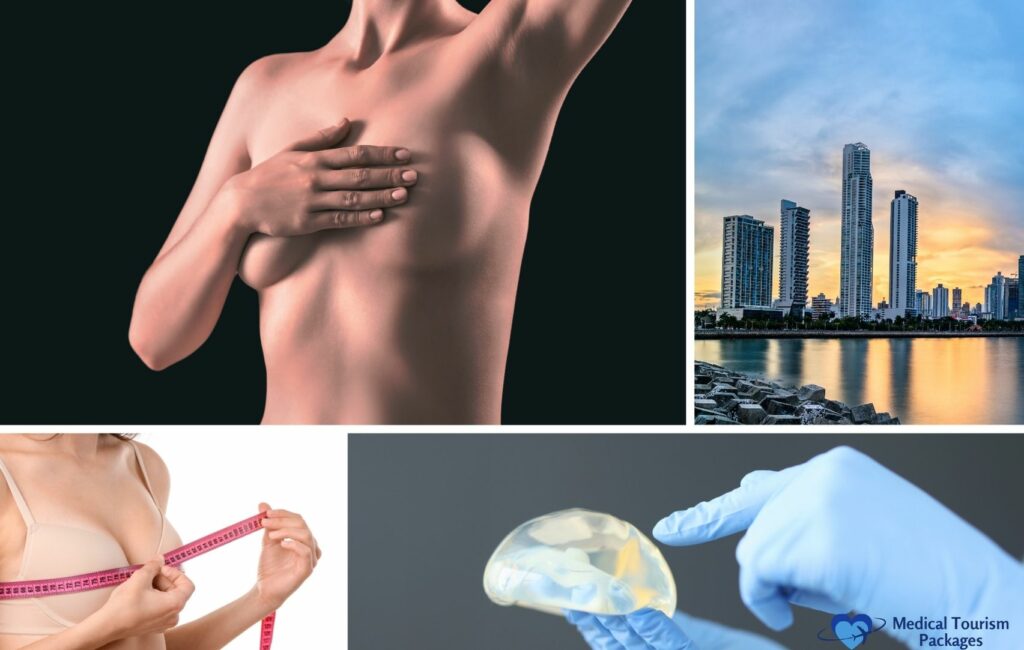
Breast Augmentation (Mammoplasty) in Panama: Enhance Your Shape with Confidence
 By
By
Breast augmentation in Panama costs $3,000-$5,000 at JCI-accredited hospitals managed by Johns Hopkins, saving 50-70% versus US prices.
Panama’s JCI-accredited breast augmentation centers perform thousands of procedures annually with FDA-approved implants (Mentor, Allergan, Sientra). Costs range from $3,000-$5,000, representing 50-70% savings versus United States prices ($6,000-$12,000) and Canada ($8,000-$12,000), with 98% patient satisfaction rates.
Our network connects you with board-certified plastic surgeons at Hospital Punta Pacífica (managed by Johns Hopkins Medicine International) and Clínica Hospital San Fernando in Panama City. Each facility is verified for JCI accreditation, international safety standards, and bilingual patient support. Below, you’ll find detailed cost comparisons, implant options, hospital profiles, travel planning guides, procedure details, recovery timelines, and answers to common questions about breast augmentation in Panama.
What Is Breast Augmentation in Panama?
Breast augmentation in Panama is a surgical procedure that increases breast size using saline, silicone, or gummy bear implants. Hospital Punta Pacífica, managed by Johns Hopkins Medicine International, and Clínica Hospital San Fernando offer JCI-accredited facilities. Costs range from $3,000-$5,000, representing 50-70% savings compared to United States prices.
What Types of Breast Enhancement Procedures Are Available?
Breast enhancement procedures in Panama include breast augmentation with implants, breast lift (mastopexy), combination augmentation plus lift, breast implant revision, breast reduction, and fat transfer breast augmentation (autologous fat grafting). Panama also offers other popular cosmetic procedures like rhinoplasty and tummy tuck surgery for comprehensive body contouring.
Breast augmentation uses implants to increase volume and enhance shape. This is the most popular cosmetic procedure in Panama City, with surgeons performing thousands of procedures annually at JCI-accredited facilities.
Breast lift (mastopexy) raises sagging breasts without implants, tightening skin and repositioning the nipple. Many patients combine lift with augmentation for both volume and elevation in a single surgery.
Breast implant revision corrects complications from previous surgeries, replaces old implants, or changes implant size. Panama surgeons frequently perform revisions for patients dissatisfied with prior work done elsewhere.
Fat transfer breast augmentation uses your own body fat harvested via liposuction to enhance breast size modestly (1-2 cup sizes maximum). This option costs $4,500-$6,000 and requires sufficient donor fat available.
Who Is an Ideal Candidate for Breast Augmentation?
Ideal candidates are women in good overall health seeking breast size increase for cosmetic reasons, post-mastectomy reconstruction patients, or individuals correcting asymmetry. Candidates must be at least 18 years old for saline implants or 22 years old for silicone implants, though Panama surgeons may have different age requirements.
- Women seeking cosmetic enhancement: Desire larger breast size or improved shape for confidence and body proportion
- Post-mastectomy patients: Reconstructing breasts after cancer surgery using implants or tissue expansion
- Asymmetry correction: Balancing uneven breasts caused by developmental differences or previous surgery
- Good health status: No active infections, uncontrolled diabetes, or blood clotting disorders that increase surgical risks
- Realistic expectations: Understanding implants last 10-15 years and may require future replacement or revision surgery
- Completed breast development: Breasts fully developed, typically by age 18, though surgeons assess individual maturity
What Results Can You Expect from Breast Augmentation?
Breast augmentation results include enhanced size and shape, improved body proportions, increased confidence, and long-lasting outcomes lasting 10-15 years. 98% of women report results met or exceeded expectations according to Plastic and Reconstructive Surgery journal studies, with high satisfaction rates persisting long-term.
Final results become visible three to six months post-surgery as swelling subsides and implants settle into position. Most patients achieve natural-looking enhancement that maintains breast shape through aging, pregnancy, and weight fluctuations within normal ranges.
Implants typically last ten to fifteen years before requiring replacement, though some last twenty years or longer. Modern FDA-approved implants used in Panama (Mentor, Allergan, Sientra) have improved durability compared to older generation devices.
How Much Does Breast Augmentation Cost in Panama?
Breast augmentation costs $3,000-$5,000 in Panama for standard implants, compared to $6,000-$12,000 in the United States and $8,000-$12,000 in Canada. Premium gummy bear implants cost $4,000-$5,500. All-inclusive packages include surgeon fees, anesthesia, hospital stay (2-3 nights), implants, airport transfers, and post-operative care.
What Is the 2026 Pricing Breakdown for Breast Augmentation?
2026 pricing breakdown separates surgeon fees, anesthesia, hospital facilities, and implant costs:
| Expense Category | Average Cost in Panama | US Comparison |
|---|---|---|
| Surgeon’s Fee | $2,500-$3,500 | $5,000-$8,000 |
| Anesthesia | $500-$700 | $1,000-$1,500 |
| Hospital Facilities | $1,000-$1,500 | $2,000-$3,000 |
| Breast Implants | $1,000-$1,500 | $1,500-$2,500 |
| Total | $3,000-$5,000 | $6,000-$12,000 |
Prices include all surgical fees with no hidden costs. Payment is accepted in US dollars (Panama’s official currency), credit cards, or bank transfers, with some clinics offering financing at competitive rates.
How Do Costs Compare Between Panama, the US, and Canada?
Three-way cost comparison shows Panama offers 50-70% savings across all implant types:
| Procedure Type | Panama | United States | Canada | Savings vs US |
|---|---|---|---|---|
| Standard Implants (Saline/Silicone) | $3,000-$5,000 | $6,000-$12,000 | $8,000-$12,000 | 50-70% |
| Premium/Gummy Bear Implants | $4,000-$5,500 | $8,000-$15,000 | $9,000-$14,000 | 50-70% |
| Fat Transfer Augmentation | $4,500-$6,000 | $5,719+ (surgeon fee only) | $11,000-$16,000 | 40-60% |
Canadian patients save even more than American patients due to higher costs in Toronto ($9,000-$14,000), Vancouver ($10,000-$13,000), and Ottawa ($10,000+ plus HST). The 60-70 percent cost difference makes Panama attractive for Canadians despite longer flight times.
What Is Included in All-Inclusive Breast Augmentation Packages?
All-inclusive packages cover surgery, hospitalization, transfers, coordination, and aftercare:
- Surgeon consultation and fees: Pre-operative consultation, surgical procedure, and post-operative follow-up visits included
- Breast implants: Choice of saline, silicone gel, or gummy bear implants from FDA-approved manufacturers
- Surgery and anesthesia fees: Operating room costs, anesthesiologist, and all medications during procedure
- Hospital stay (2-3 nights): Private room with nursing care, meals, and monitoring equipment
- Airport transfers: Round-trip transportation between Tocumen International Airport and hospital or hotel
- Bilingual medical coordinator: English-speaking liaison managing appointments, translations, and logistics throughout stay
- Post-operative appointments: Follow-up consultations at days 5-7 and 10-14 before departure
- Compression garments: Surgical bra for recovery support during healing (4-6 weeks wear time)
- Medications: Pain management drugs and antibiotics for infection prevention during recovery period
- Recovery accommodation: Some premium packages include additional nights at recovery hotel with nursing support
What Is the Total Budget Including Travel and Accommodation?
Realistic total budget including surgery, travel, and extended stay ranges from $6,000-$9,000:
| Expense Category | Cost Range |
|---|---|
| Surgery (all-inclusive) | $3,000-$5,000 |
| Round-trip flights | $200-$500 |
| Accommodation (12-14 nights) | $600-$1,800 |
| Meals and incidentals | $360-$960 |
| Pre-operative tests | $200-$400 |
| Contingency fund (15%) | $600-$1,200 |
| Total Realistic Budget | $6,000-$9,000 |
Compare this total to US surgery costs alone ($8,000-$15,000) for perspective. Even with international travel, Panama remains significantly more affordable while delivering JCI-accredited hospital care managed by Johns Hopkins Medicine International.
What Payment Options and Financing Are Available?
Payment options include US dollars (Panama’s official currency), credit cards, bank wire transfers, and financing plans through select clinics. Panama adopted the US dollar in 1904, eliminating currency exchange risk, fees, and rate fluctuations for American and Canadian patients.
Credit cards (Visa, MasterCard, American Express) are widely accepted at major hospitals and clinics. Some facilities charge 3-5 percent processing fees for card payments, while bank transfers typically have no fees.
Financing options vary by clinic, with some offering payment plans at 4.99-8.99 percent APR for qualified international patients. Terms range from 12 to 36 months depending on surgery cost and creditworthiness.
Why Choose Panama for Breast Augmentation Over Other Countries?
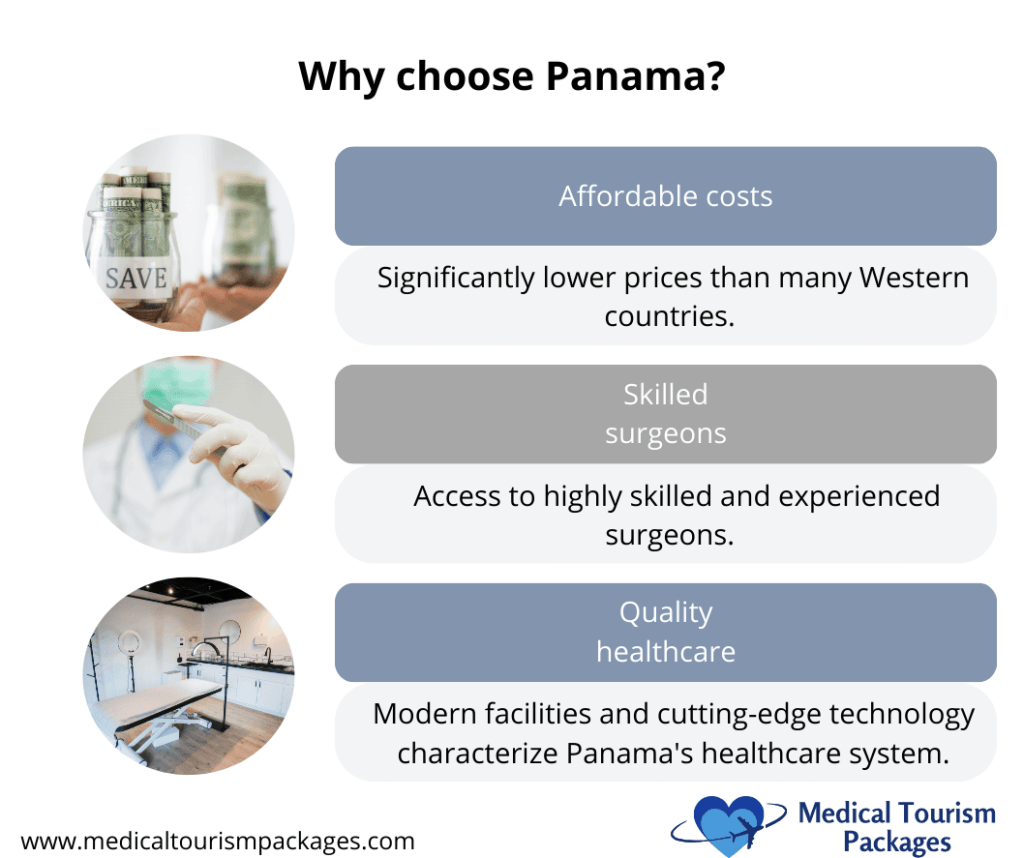
Panama offers 50-70% cost savings with JCI-accredited hospitals, Johns Hopkins Medicine International management, board-certified English-speaking surgeons, 2.5-hour flights from Miami, and a fully dollarized economy eliminating currency risk. These advantages make Panama one of Latin America’s top medical tourism destinations for breast augmentation.
How Do Cost Savings Compare Without Compromising Quality?
Panama delivers 50-70% savings without quality compromise because lower operational expenses (rent, labor, regulatory costs) reduce overhead while maintaining identical standards. Surgeons use the same FDA-approved implants (Mentor, Allergan, Sientra) found in American facilities, ensuring material quality matches US hospitals.
JCI accreditation requires Panamanian hospitals meet the same patient safety protocols, infection control measures, and quality standards as top US medical centers. Hospital Punta Pacífica and Clínica Hospital San Fernando undergo rigorous inspections every three years to maintain certification.
Lower costs reflect Panama’s economy, not inferior care. Surgeons complete the same training (often in the United States or Europe), use identical technology (digital planning, 3D imaging), and follow international best practices for surgical technique and post-operative care.
What Makes Panama’s Hospitals and Accreditation Standards World-Class?
Panama’s two JCI-accredited hospitals (Hospital Punta Pacífica and Clínica Hospital San Fernando) meet the same standards as Johns Hopkins Hospital, Mayo Clinic, and Cleveland Clinic. JCI certification verifies patient safety protocols, infection control, proper equipment maintenance, trained staff, and emergency response capabilities.
Hospital Punta Pacífica is managed (not just affiliated) by Johns Hopkins Medicine International since 2008, making it the only Central American hospital with this distinction. Johns Hopkins trains staff, implements protocols, oversees quality measures, and ensures surgical outcomes meet Baltimore-based standards.
Modern facilities include state-of-the-art operating rooms with laminar airflow systems, digital surgical planning technology, intensive care units with advanced monitoring, and recovery areas designed specifically for international patients requiring extended care.
JCI accreditation is voluntary and expensive (hundreds of thousands of dollars), demonstrating commitment to international standards. Only two facilities in Panama pursue this certification, while many hospitals rely solely on local Panamanian Ministry of Health oversight.
Why Are Panamanian Surgeons Highly Qualified and English-Speaking?
Panamanian plastic surgeons are board-certified by APCPER (Panamanian Association of Plastic, Aesthetic and Reconstructive Surgery) and often hold international certifications from ISAPS (International Society of Aesthetic Plastic Surgery) or ASPS (American Society of Plastic Surgeons). Many complete training in the United States or Europe before returning to practice in Panama.
English proficiency is high due to Panama Canal history creating decades of American presence and making English a standard business language. Medical tourism focus over the past 20 years has further emphasized bilingual capabilities, with top surgeons fluent in medical terminology and patient communication.
Continuing education requirements ensure surgeons stay current with latest techniques, implant innovations, and safety protocols. Many attend international conferences, publish research, and collaborate with US/European colleagues on advancing cosmetic surgery standards in Panama.
How Does Panama’s Geographic Location Benefit US Patients?
Panama’s proximity to the United States provides significant advantages for medical tourists:
- 2.5 hours from Miami: Closest Latin American destination to US East Coast, making Panama ideal for weekend consultations or short recovery trips
- 4-5 hours from major hubs: New York, Houston, and Atlanta have direct Copa Airlines flights, allowing departure and arrival same day for consultations
- Same or one-hour time difference: Panama operates on EST year-round, eliminating jet lag for most American travelers
- Easy weekend trips for consultations: Patients can fly Friday, consult Saturday, return Sunday without using work vacation days
- Direct flights from 77 US cities: Copa Airlines hub at Tocumen International Airport provides extensive US connectivity without layovers
What Are the Advantages of Panama’s Dollarized Economy?
Panama officially adopted the US dollar in 1904, making it the oldest continuously dollarized economy in the Western Hemisphere. This unique status provides substantial benefits for American and Canadian medical tourists.
Zero currency exchange risk means quoted prices remain stable. Unlike Colombia (COP), Costa Rica (CRC), or Mexico (MXN) where exchange rates fluctuate daily, Panama prices in USD stay constant from quote to payment, eliminating unexpected costs.
No exchange fees or rate markups save 2-5 percent compared to converting dollars to pesos or colones. Banks, ATMs, and merchants accept US dollars directly without conversion, making budgeting simple and transparent.
Easy budgeting allows patients to calculate exact trip costs in familiar currency. No mental math converting thousands of pesos to dollars or worrying about getting fair exchange rates at airports or clinics.
How Does Panama Compare to Colombia, Costa Rica, and Mexico?
Panama’s unique advantages become clear when compared side-by-side with other popular medical tourism destinations:
| Factor | Panama | Colombia | Costa Rica | Mexico |
|---|---|---|---|---|
| Breast Augmentation Cost | $3,000-$5,000 | $3,000-$4,500 | $4,000-$5,500 | $3,200-$4,800 |
| Currency | USD (official) | COP (volatile) | CRC (volatile) | MXN (volatile) |
| JCI-Accredited Hospitals | 2 | 60+ | 30+ | 50+ |
| Flight Time from Miami | 2.5 hours | 3.5 hours | 2.5 hours | 2.5 hours |
| Johns Hopkins Affiliation | Yes (managed) | No | No | No |
| English Proficiency (Surgeons) | High | Medium | High | Medium |
Panama’s unique advantages include being the only country with a Johns Hopkins-managed hospital, complete dollarization (zero currency risk), and closest proximity to US East Coast. While Colombia has more JCI hospitals, Panama’s quality-focused approach with two premier facilities often delivers superior outcomes for international patients.
Panama vs Panama City, Florida: Important Clarification
Panama is a country in Central America, NOT Panama City Beach, Florida (USA). This distinction is critical because search queries often confuse the two locations, with Panama (country) offering international medical tourism infrastructure while Panama City, Florida is a domestic beach resort without specialized cosmetic surgery facilities.
What Is the Difference Between Panama (Country) and Panama City, Florida?
Clear differences exist between Panama the country and Panama City Beach, Florida:
| Factor | Panama (Country) | Panama City Beach, FL (USA) |
|---|---|---|
| Location | Central America | Florida Panhandle |
| International Destination | Yes | No (domestic US) |
| Flight from Miami | 2.5 hours | 5-6 hours drive |
| Breast Augmentation Cost | $3,000-$5,000 | $8,000-$12,000 |
| JCI-Accredited Hospitals | 2 (Punta Pacífica, San Fernando) | Limited (regional hospitals) |
| Currency | USD (official) | USD |
Why This Matters for Medical Tourists
Common search confusion due to similar names causes patients to accidentally research domestic Florida facilities when seeking international medical tourism options. Panama (country) offers specialized medical tourism infrastructure with JCI hospitals, bilingual coordinators, all-inclusive packages, and international patient services, while Panama City, Florida functions primarily as a beach resort destination.
When searching online, specify “Panama Central America” or “Panama medical tourism” to avoid Florida results. Our article focuses exclusively on Panama the country, located in Central America between Costa Rica and Colombia, not the Florida Panhandle beach town.
Which Are the Top Hospitals and Clinics for Breast Augmentation in Panama?
Hospital Punta Pacífica (managed by Johns Hopkins Medicine International), Clínica Hospital San Fernando (first JCI-accredited facility in Panama), and The Panama Clinic (TEMOS-accredited medical tourism center) are the top facilities for medical tourism in Panama. These hospitals combine JCI certification, international affiliations, modern technology, and bilingual staff to serve thousands of international breast augmentation patients annually.
What Makes Hospital Punta Pacífica (Pacífica Salud) a Leading Choice?
Hospital Punta Pacífica in Punta Pacífica neighborhood, Panama City (15 minutes from Tocumen International Airport) is managed by Johns Hopkins Medicine International since 2008, making it the only Central American hospital with this distinction. This means Johns Hopkins trains staff, implements protocols, and ensures quality standards match their Baltimore-based facilities.
JCI accreditation since 2011 (reaccredited multiple times) verifies the hospital meets international safety and quality benchmarks. Regular audits ensure continued compliance with patient safety protocols, infection control measures, and emergency response capabilities.
Specializations include cosmetic and reconstructive plastic surgery, stroke center certification, and pediatric emergency care. The hospital opened Panama’s first private pediatric emergency department, demonstrating comprehensive capabilities beyond cosmetic procedures.
State-of-the-art surgical facilities feature laminar airflow operating rooms, digital surgical planning technology, advanced monitoring equipment, and private recovery suites designed for international patients requiring extended post-operative care.
Thousands of international patients choose Pacífica Salud annually for breast augmentation, benefiting from Johns Hopkins oversight, experienced plastic surgeons, and bilingual support staff managing every aspect from arrival to departure.
What Does Clínica Hospital San Fernando Offer?
Clínica Hospital San Fernando in Panama City was the first hospital in Panama to receive JCI accreditation, pioneering international quality standards in the country. This multi-specialty hospital employs 400+ physicians across all specialties, providing comprehensive medical services beyond cosmetic surgery.
Pediatric partnership with Children’s National Hospital (Washington, DC) brings American expertise to Panama, demonstrating the facility’s commitment to international collaboration and quality improvement. This partnership extends to staff training, protocol development, and outcome benchmarking.
Modern surgical and diagnostic equipment includes digital imaging systems, advanced anesthesia monitoring, intensive care capabilities, and recovery facilities. The hospital maintains significant international patient volume, with dedicated coordinators managing travel, accommodation, and medical logistics.
How Is The Panama Clinic Designed for Medical Tourists?
The Panama Clinic in Panama City was purpose-built following JCI guidelines and earned TEMOS accreditation, the German organization specializing in international patient care and medical tourism excellence. Over 1,000 international patients annually from the United States, Caribbean, Latin America, Europe, and Middle East choose this facility for cosmetic procedures.
Specializations include executive check-ups, minimally invasive procedures, orthopedics, and cosmetic surgery. The facility’s design prioritizes international patient needs with streamlined intake, bilingual signage, cultural sensitivity training for staff, and integrated travel coordination services.
Bilingual staff (English/Spanish) eliminate communication barriers, while coordinated travel and accommodation services simplify logistics. The clinic partners with nearby hotels offering recovery packages, airport transfer services, and 24/7 nursing support for post-operative patients.
What Does JCI Accreditation Mean for Patient Safety?
JCI (Joint Commission International) is a US-based organization setting global healthcare standards used by Johns Hopkins Hospital, Mayo Clinic, Cleveland Clinic, and other world-class facilities. JCI accreditation verifies hospitals meet rigorous safety protocols, quality measures, infection control standards, proper equipment maintenance, trained staff requirements, and emergency response capabilities.
Regular inspections and reaccreditation every three years ensure continued compliance. Hospitals must demonstrate patient safety improvements, track surgical outcomes, implement quality assurance programs, and maintain international best practices to retain certification.
Only two hospitals in Panama hold active JCI accreditation (Hospital Punta Pacífica and Clínica Hospital San Fernando), making these facilities the top choices for international patients seeking American-equivalent care standards in a more affordable setting.
What Types of Breast Implants Are Available in Panama?
Panama offers three FDA-approved breast implant types: saline (sterile saltwater, adjustable size, costs $3,000-$3,800), silicone gel (natural feel, most popular, costs $3,500-$4,500), and gummy bear or cohesive gel (shape-retaining, firmest feel, costs $4,000-$5,500). All implants come from manufacturers Mentor, Allergan (Natrelle), and Sientra used in United States facilities.
What Are Saline Implants and Their Pros and Cons?
Saline implants are filled with sterile salt water after surgical placement, allowing size adjustment during the procedure. Surgeons can fine-tune volume to achieve perfect symmetry, making saline ideal for correcting asymmetry or achieving precise cup size goals. Smaller incisions are possible because implants enter empty and fill in place.
| Pros | Cons |
|---|---|
| Adjustable firmness and size during surgery | Less natural feel than silicone gel |
| Lower cost ($3,000-$3,800 total) | Higher risk of rippling or folding visibility |
| Safe if ruptured (body absorbs saline harmlessly) | May show edges in patients with thin tissue |
| FDA-approved for age 18+ (younger than silicone requirement) | Less popular than silicone among patients |
Brands available in Panama include Mentor and Allergan, both FDA-approved manufacturers with decades of safety data. Panama surgeons use identical implants found in American facilities, ensuring material quality matches US hospitals.
What Are Silicone Gel Implants and Their Pros and Cons?
Silicone gel implants arrive pre-filled with thick silicone gel that closely mimics natural breast tissue feel. This makes silicone the most popular choice globally, accounting for 70-80 percent of breast augmentation procedures. The gel consistency moves naturally with body motion, creating realistic appearance and tactile sensation.
| Pros | Cons |
|---|---|
| More natural feel and look than saline | Requires larger incision (pre-filled) |
| Lower risk of visible rippling | Regular monitoring needed (MRI every 2-3 years) |
| Wider range of sizes and profiles available | Leak less noticeable if silent rupture occurs |
| FDA-approved implants used in Panama facilities | Slightly higher cost than saline ($3,500-$4,500) |
Brands available include Mentor, Allergan (Natrelle line), and Sientra. All three manufacturers provide FDA-approved devices with cohesive gel technology preventing migration if shell breaks. Panama hospitals stock multiple profile options (low, moderate, high, extra-high) allowing customization for different body types.
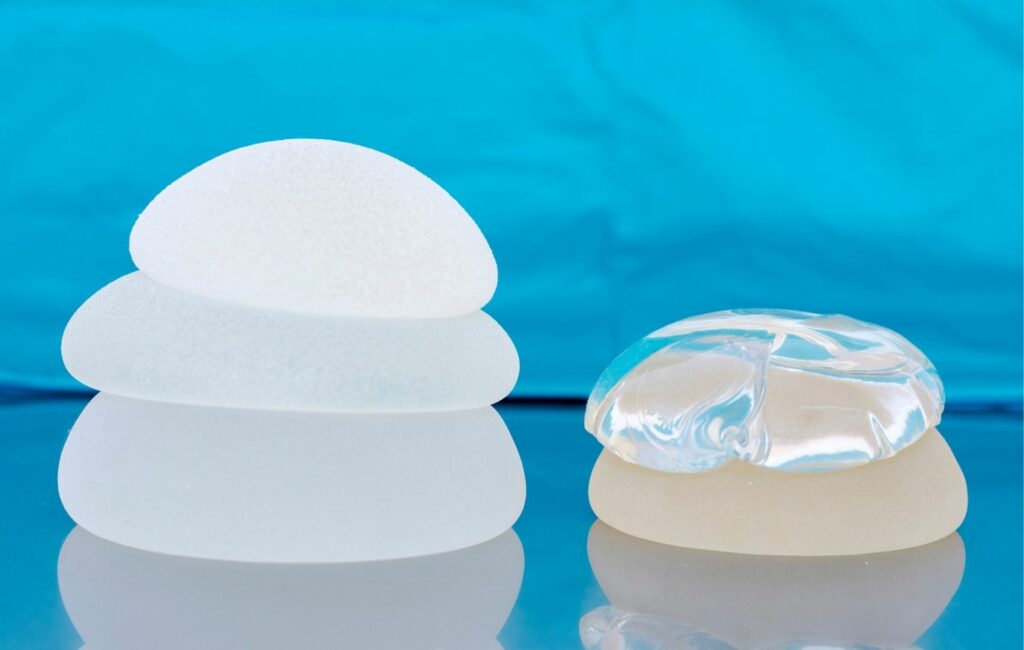
What Are Gummy Bear (Cohesive Gel) Implants and Their Pros and Cons?
Gummy bear implants contain highly cohesive silicone gel maintaining shape even when cut, similar to gummy candy texture. The gel stays together rather than spreading if the outer shell breaks, reducing leakage risk. Form-stable properties allow teardrop shapes mimicking natural breast contours, though round options exist too.
| Pros | Cons |
|---|---|
| Maintains shape if shell breaks (gel holds together) | Firmer feel than regular silicone gel |
| Natural-looking contours and projection | Requires longer incision for placement |
| Lower leakage risk than traditional silicone | More expensive ($4,000-$5,500 total) |
| Reduced folding and rippling over time | May rotate if teardrop shape (requires revision) |
Brands include Mentor MemoryShape, Allergan Natrelle 410, and Sientra Opus. These premium implants cost more but offer enhanced shape retention, making them popular among patients prioritizing long-term aesthetic results over initial investment.
How Do You Choose the Right Implant Type for You?
Choosing the right implant depends on desired look and feel, body type and existing breast tissue, budget considerations, lifestyle and activity level, surgeon recommendations based on anatomy, and understanding FDA approval and safety profiles for each type.
Consultation guidance includes discussing goals with surgeon to match implant characteristics to expectations, viewing before/after photos showing results with different implant types and sizes, trying sizers during consultation to preview size and shape options, asking about revision rates for each type to understand long-term success, and understanding maintenance requirements since all implants may need replacement after 10-20 years.
Factors to consider when selecting implants:
- Desired aesthetic: Natural soft feel (silicone gel) vs firmer, more projected shape (gummy bear)
- Body type: Thin patients may prefer silicone to avoid rippling, while athletic builds suit firmer implants
- Budget: Saline most affordable ($3,000-$3,800), gummy bear most expensive ($4,000-$5,500)
- Activity level: Active patients may prefer cohesive gel stability reducing displacement risk during exercise
- Age requirements: Saline approved age 18+, silicone typically 22+ (though Panama surgeons assess individual maturity)
- Long-term maintenance: Silicone requires MRI monitoring every 2-3 years to detect silent ruptures
How Do You Plan Your Breast Augmentation Trip to Panama?
Planning a breast augmentation trip to Panama requires booking flights (2.5 hours from Miami, $200-$500 round-trip), verifying visa-free entry for US/Canadian citizens (180 days allowed), scheduling surgery during dry season (December-April recommended), arranging accommodation near hospitals ($50-$150/night), and coordinating airport transfers. Most all-inclusive packages include transfers, bilingual coordinators, and hospitalization.
What Are the Visa and Entry Requirements for US and Canadian Citizens?
US and Canadian citizens need NO visa for Panama tourist stays up to 180 days. Entry requirements include valid passport with 3+ months remaining validity, proof of onward travel (return ticket may be requested), and proof of funds showing minimum $500 USD economic solvency.
- US citizens: No visa required, 180 days visa-free entry, passport validity 3+ months beyond entry date
- Canadian citizens: Same requirements as US citizens, no special documentation needed beyond passport
- Proof of onward travel: Immigration may request return ticket confirmation or onward destination evidence
- Proof of funds: Must demonstrate $500 USD minimum (cash, credit card, bank statement acceptable)
- Health requirements: No vaccination requirements for US/Canadian travelers as of 2026
How Do You Book Flights to Panama from Major US Cities?
Flight booking from major US cities to Tocumen International Airport (PTY):
| Origin City | Airlines | Flight Time | Approx Cost (Round-trip) |
|---|---|---|---|
| Miami | Copa, Spirit, United | 2.5 hours | $200-$400 |
| New York (JFK/Newark) | Copa, United, Avianca | 5 hours | $250-$500 |
| Houston | Copa, United | 4 hours | $300-$550 |
| Los Angeles | Copa, United | 7-8 hours | $400-$700 |
| Fort Lauderdale | Copa, Spirit | 2.5 hours | $200-$400 |
| Atlanta | Copa, Delta | 4 hours | $300-$550 |
Booking tips include reserving 64 days in advance for best rates, using Copa Airlines for nonstop service from 77 US cities, flying into Tocumen International Airport (Panama’s only major international airport located 11 miles from Panama City), and planning for 15-30 minutes drive time to hospital district from airport.
What Is the Best Time to Travel for Surgery?
Dry season (December-April) is recommended for breast augmentation surgery in Panama, offering less rainfall, more comfortable recovery conditions, temperatures 75-90°F (24-32°C), and lower humidity. Rainy season (May-November) brings afternoon showers and higher humidity that may affect comfort during recovery, though surgery remains feasible year-round.
Avoid major holidays including Christmas/New Year (December 24-January 2) when many clinics close, Carnival (February/March with varying dates each year), and Independence Day celebrations (November 3-4). Book well in advance during dry season to ensure medical staff availability and preferred surgery dates.
Where Should You Stay During Recovery?
Recommended neighborhoods for recovery accommodation include Punta Pacífica (premium hotels near Hospital Punta Pacífica, close to medical facilities, upscale amenities), Costa del Este (modern, safe area with shopping, restaurants, parks, 20 minutes from airport), and Marbella (business district with hotels, safe environment, proximity to clinics).
Accommodation options and pricing:
- Hotels near hospitals: $50-$150/night with room service, daily housekeeping, concierge assistance
- Recovery houses (medical tourism specific): $80-$200/night including nursing care, meals, transportation to appointments
- Airbnb (private apartments): $40-$120/night, ensure elevator access if multi-story building (no stairs post-surgery)
- Package inclusions: Many all-inclusive packages include 3-5 nights accommodation near hospital
Minimum stay is 7-10 days (surgery plus initial recovery and follow-ups), though 12-14 days recommended to allow for complications, provide buffer time for healing, and permit final pre-departure checkup before returning home.
How Do You Arrange Airport Transfers and Local Transportation?
Airport transfer options from Tocumen International Airport include package inclusion (most all-inclusive packages provide round-trip transfers), Uber/rideshare (available, reliable, $15-$25 to city center), official airport taxis (approximately $30-$40), and hotel shuttle services (many hotels offer free airport pickup).
Local transportation during stay includes Uber as preferred option (safe, affordable, English app interface), registered yellow taxis or hotel taxis for reliability, walking in tourist/medical districts during daytime (safe areas), modern Metro system with limited but expanding coverage, and avoiding driving during recovery period due to pain medication and movement restrictions.
What Happens During the Breast Augmentation Procedure in Panama?
The breast augmentation procedure begins with initial consultation (virtual or in-person, 1-2 hours), followed by pre-operative medical tests ($200-$400), surgery day (1-2 hours under general anesthesia with implant placement), and hospital stay (24-48 hours for monitoring). Surgeons make incisions under breast fold, around nipple, or in armpit, placing implants under or over chest muscle.
What Happens During the Initial Consultation?
Initial consultation options include virtual consultation (30-45 minutes via video call before travel) where surgeons discuss goals, review medical history, recommend implant type/size, and provide preliminary quote, or in-person consultation (day before or morning of surgery, 1-2 hours) including physical examination, final implant selection with sizers, surgical plan review, consent form signing, and final question answering.
Virtual consultations allow patients to confirm candidacy before booking flights, compare multiple surgeons without travel expenses, receive preliminary pricing and timeline estimates, and build rapport with surgeon and coordinators before arrival.
In-person consultations finalize details including exact implant selection after trying on sizers to preview size, incision location based on anatomy (inframammary, periareolar, or transaxillary), implant placement (submuscular under chest muscle vs subglandular over muscle), and addressing any last-minute concerns or questions before surgery.
How Do You Prepare for Surgery Day?
Pre-operative preparation requirements:
- Medical tests: Blood work, EKG, chest X-ray completed 1-2 days before surgery (costs $200-$400)
- Fasting: No food or drink after midnight before surgery day to prevent anesthesia complications
- Medication adjustments: Stop aspirin, ibuprofen, blood thinners 2 weeks prior (surgeon provides specific list)
- Smoking cessation: Stop smoking at least 2 weeks before surgery (critical for proper healing and circulation)
- Transportation arrangement: Cannot drive post-surgery, arrange ride from hospital to accommodation
- Comfortable clothing: Wear button-front shirt to hospital (cannot raise arms overhead post-surgery)
What Happens on Surgery Day?
Surgery day timeline starts with arrival 1-2 hours before surgery for pre-operative preparation (changing into gown, IV placement, meeting anesthesiologist). Actual surgery duration is 1-2 hours under general anesthesia, with incision options including inframammary (under breast fold, most common, hidden in natural crease), periareolar (around nipple, good for scar concealment), or transaxillary (armpit, no breast scarring).
Implant placement choice between submuscular (under pectoralis muscle, more natural appearance, reduced rippling risk) and subglandular (over muscle, under breast tissue, easier recovery, more projection) depends on existing breast tissue, desired look, and surgeon recommendation based on anatomy.
Recovery room monitoring lasts 1-2 hours post-surgery with nursing staff checking vital signs, pain levels, bleeding, and ensuring stable condition before moving to private room for overnight stay.
What Is the Hospital Stay Like?
Hospital stay typically lasts 24-48 hours for overnight observation in a private room with nursing care, meals, and monitoring equipment. Pain management via IV medications transitions to oral pain pills, while compression garments are fitted to reduce swelling and support healing tissues.
Nurses monitor for complications including bleeding, infection signs, allergic reactions, or implant displacement. Drain tubes may be placed to remove excess fluid, with removal before discharge if output decreases sufficiently.
Discharge instructions provided in English cover medication schedules, activity restrictions, wound care protocols, follow-up appointment times, emergency contact numbers, and signs requiring immediate medical attention (fever, excessive bleeding, severe pain).
What Should You Expect During Recovery and Aftercare?
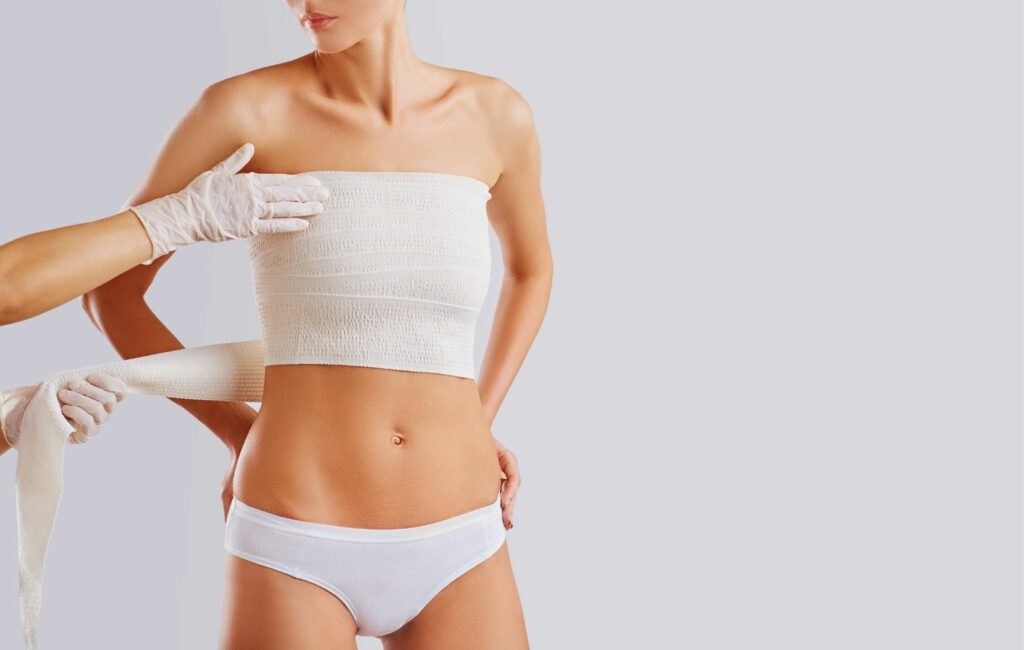
Recovery from breast augmentation follows a week-by-week timeline: Week 1 (pain, swelling, bruising at peak, bed rest required), Weeks 2-4 (swelling decreases, return to light activities and desk work), Weeks 5-6 (minimal swelling, resume most activities), Weeks 7-8 (full recovery achieved, implants settled), Months 3-6 (final results visible, scars fading).
What Is the Week-by-Week Recovery Timeline?
Detailed recovery timeline by week:
| Timeframe | What to Expect | Activity Level |
|---|---|---|
| Week 1 | Pain, swelling, bruising at peak. Rest required. | Bed rest, light walking only |
| Week 2 | Swelling decreases, pain manageable. Return to light activities. | Light desk work possible, no lifting |
| Weeks 3-4 | Most swelling gone, increased comfort. Gradual activity increase. | Return to desk work, light exercise OK |
| Weeks 5-6 | Minimal swelling, feeling normal. Most activities resumed. | Most activities OK, avoid heavy lifting |
| Weeks 7-8 | Full recovery achieved. Implants settling into position. | Resume all activities including exercise |
| Months 3-6 | Final results visible. Swelling completely resolved. Scars fading. | Full activity, final shape achieved |
What Immediate Care Is Needed in the First 1-2 Weeks?
Immediate care requirements during first 1-2 weeks post-surgery:
- Pain management: Take prescribed medications as directed (typically strong pain pills for first 3-5 days, then over-counter as needed)
- Compression garment: Wear surgical bra 24/7 for 4-6 weeks except when showering (supports healing, reduces swelling)
- Activity restrictions: No lifting over 5-10 pounds, no raising arms above shoulders (prevents implant displacement)
- Sleep position: Sleep elevated 30-45 degrees on back for first 2 weeks (reduces swelling, prevents pressure on implants)
- Wound care: Keep incisions dry, no swimming/baths (showers OK after 48 hours with waterproof dressing)
- Follow-up appointments: First follow-up at days 5-7 post-surgery for incision check, possible drain removal
When Can You Return to Normal Activities?
Activity resumption timeline varies by activity type. Desk work resumes at 1-2 weeks for sedentary jobs with minimal physical demands. Driving returns at 1-2 weeks when pain-free and off narcotic medications (typically 7-10 days). Light exercise like walking begins immediately to increase circulation and prevent blood clots.
Cardio exercise including jogging, biking, elliptical resumes at 4-6 weeks with surgeon clearance after confirming incisions healed and implants stable. Upper body and chest exercises return at 6-8 weeks with clearance (push-ups, chest press, overhead movements). Heavy lifting and strenuous activity restart at 6-8 weeks for weights over 20 pounds or intense physical labor.
Contact sports resume at 8-12 weeks for activities with collision or impact risk (basketball, soccer, martial arts). Swimming begins at 4-6 weeks once incisions fully healed and no risk of infection from pool or ocean water.
What Follow-Up Care Is Available After Returning Home?
Short-term follow-up while in Panama includes Day 1 hospital discharge check (vital signs, drain output assessment), Day 5-7 incision check with possible drain removal and wound healing evaluation, and Day 10-14 final pre-departure checkup confirming safe to travel home.
Long-term follow-up after returning home provides virtual consultations via video calls at 1 month, 3 months, and 6 months post-surgery, 24/7 nursing hotline for urgent questions or concerns, local surgeon coordination where Panama surgeon can coordinate with your local surgeon if needed, and emergency protocol with clear instructions for complications like infection or implant issues.
Long-term implant maintenance requires annual checkups to monitor implant condition and breast health, MRI monitoring every 2-3 years for silicone implants to detect silent ruptures, and understanding implants are not lifetime devices requiring potential replacement after 10-20 years with average lifespan of 10-15 years before replacement consideration.
What Are the Safety Considerations and Risks of Breast Augmentation?
Breast augmentation surgical risks include infection (1-2% occurrence, treatable with antibiotics), bleeding or hematoma (1-3% risk, may require drainage), capsular contracture (scar tissue tightening around implant, 8.2% at 6 years), implant rupture or leakage (rare with modern devices), changes in nipple/breast sensation (usually temporary), asymmetry, scarring, and seroma (fluid collection).
What Are the Potential Surgical Risks and Complications?
Common risks occurring in small percentages include infection (1-2% risk, treated with oral or IV antibiotics depending on severity), bleeding or hematoma (1-3% risk, may require surgical drainage if significant), capsular contracture where scar tissue forms around implant and tightens (8.2% occurrence rate at 6 years post-surgery according to medical studies), implant rupture or leakage (rare with modern cohesive gel devices), and changes in nipple or breast sensation (usually temporary, occasionally permanent in 5-10% of patients).
Additional common risks include minor asymmetry (slight differences in size or position between breasts), scarring varying by individual healing and incision location, and seroma (fluid collection around implant, typically resolves with drainage).
Rare but serious risks include adverse reaction to anesthesia (screened during pre-operative evaluation), blood clots (deep vein thrombosis or pulmonary embolism, prevented with early walking), and breast implant-associated anaplastic large cell lymphoma or BIA-ALCL (extremely rare immune system cancer, fewer than 1,000 cases worldwide).
Realistic expectations include 14.2% reoperation rate at 1 year (includes revisions for aesthetic reasons, not just complications), most complications being treatable without long-term issues, and choosing qualified surgeons to minimize risks through proper technique and sterile conditions.
How Do Panama’s JCI Hospitals Ensure Patient Safety?
JCI-accredited facilities implement safety protocols matching top US hospitals including rigorous infection control measures (sterilization protocols, airborne infection isolation rooms, hand hygiene compliance monitoring), modern sterilization equipment (autoclaves, chemical sterilizers, instrument tracking systems), trained anesthesiologists (not nurse anesthetists, board-certified physicians), emergency response teams (code blue teams, crash carts, defibrillators on every floor), and quality assurance programs (outcome tracking, complication analysis, continuous improvement initiatives).
Johns Hopkins oversight at Hospital Punta Pacífica provides staff trained in Johns Hopkins protocols, surgical quality benchmarking against Baltimore facility outcomes, complication tracking and analysis with quarterly reviews, and continuous improvement programs implementing best practices from American flagship hospital.
How Do You Choose a Qualified Surgeon to Minimize Risks?
Credentials to verify when selecting a surgeon:
- Board certification in plastic surgery: APCPER (Panamanian association) or equivalent international certification
- International memberships: ISAPS (International Society of Aesthetic Plastic Surgery) or ASPS (American Society of Plastic Surgeons)
- Years of experience: Minimum 5+ years performing breast augmentation specifically (not just general plastic surgery)
- Hospital privileges: Operating privileges at JCI-accredited facility (Hospital Punta Pacífica or Clínica Hospital San Fernando)
- Before/after portfolio: Extensive photo gallery showing range of results with different implant types and patient body types
- Patient reviews: Testimonials from international patients on RealSelf, Google, or clinic websites
- Complication rates: Ask surgeon directly about their infection rates, revision rates, and capsular contracture incidence
- English language proficiency: Fluent in medical terminology and patient communication for clear understanding
What Happens If You Experience Complications After Returning Home?
Emergency protocols for post-operative complications include 24/7 hotline access to Panama surgeon or nursing team, local emergency room visit for urgent issues like infection signs (fever, redness, drainage), severe uncontrolled pain, or excessive bleeding, virtual consultation assessment to determine severity and necessary intervention, and Panama surgeon coordination with local physicians if specialized care needed.
Return to Panama for revision surgery may be necessary for serious complications, with some clinics offering warranty or guarantee periods covering revision costs within first year. Medical tourism insurance specifically covers complications, revision surgery costs, and extended stays, while some US/Canadian insurance may cover complication treatment (check policy before surgery).
How Satisfied Are Patients with Breast Augmentation Results?
98% of women report breast augmentation results met or exceeded expectations according to Plastic and Reconstructive Surgery journal prospective studies. Satisfaction remains high long-term (5+ years post-surgery), with most common reasons including enhanced self-esteem and confidence, improved body proportions, better-fitting clothing, and natural-looking results. Revision requests typically involve size adjustment (wanting larger), not dissatisfaction with quality.
What Do Patient Satisfaction Statistics Show?
Key satisfaction data shows 98 percent of women report results met or exceeded expectations based on Plastic and Reconstructive Surgery journal studies. Satisfaction persists long-term with high rates 5+ years post-surgery indicating lasting positive outcomes.
Most common reasons for satisfaction include enhanced self-esteem and confidence (primary benefit reported by 90+ percent), improved body proportions and balance, clothing fitting better with flattering silhouettes, and natural-looking results matching pre-surgical expectations.
Most common reasons for revision surgery include size adjustment with patients wanting larger implants after seeing initial results (not dissatisfaction with surgical quality), switching from saline to silicone for more natural feel, or correcting minor asymmetry unrelated to surgeon technique.
What Do Patients Say About Their Panama Experience?
Common positive feedback themes from international patients include professionalism of surgeons and staff (frequently mentioned in reviews), quality of hospital facilities equal to or better than US facilities, cost savings allowing them to afford the procedure they desired, English-speaking staff making communication easy and stress-free, smooth coordination and travel logistics with bilingual coordinators, and opportunity to combine recovery with tourism or vacation activities.
Where to find patient reviews includes RealSelf.com (plastic surgery review site with verified patient photos and ratings), medical tourism agency websites (patient testimonials and case studies), hospital and clinic websites (featured patient stories and before/after galleries), Google reviews for specific hospitals (search “Hospital Punta Pacífica reviews”), and asking surgeon for patient references during consultation (speaking directly with previous patients).
What Should You Ask to See During Consultation?
Items to request during consultation:
- Before/after photos: Breast augmentation case portfolio showing range of results with different implant types and sizes
- Similar body type examples: Photos of patients with your build, existing breast size, and aesthetic goals
- Range of implant results: Visual examples showing saline vs silicone vs gummy bear appearance differences
- Complication and revision rates: Surgeon’s personal statistics for infection, capsular contracture, and revision frequency
- Patient testimonials: Written or video testimonials from international patients who traveled for surgery
- Hospital accreditation certificates: JCI certification documents, inspection reports, quality ratings
- Surgeon credentials: Board certifications (APCPER, ISAPS, ASPS), training certificates, licenses
Frequently Asked Questions About Breast Augmentation in Panama
How much does breast augmentation cost in Panama?
Breast augmentation in Panama costs $3,000-$5,000 for standard implants, compared to $6,000-$12,000 in the United States and $8,000-$12,000 in Canada. This includes surgeon fees, anesthesia, hospital stay (2-3 nights), implants, and post-operative care. All-inclusive packages with travel can total $6,000-$9,000, still saving 50-70% versus US costs alone.
Is breast augmentation safe in Panama?
Yes, breast augmentation is very safe in Panama when performed at JCI-accredited hospitals like Hospital Punta Pacífica (managed by Johns Hopkins Medicine International) or Clínica Hospital San Fernando. These facilities meet the same safety standards as top US hospitals, use FDA-approved implants (Mentor, Allergan, Sientra), and employ board-certified, English-speaking surgeons.
What types of breast implants are available in Panama?
Panama offers three types of FDA-approved breast implants: saline (sterile saltwater, adjustable size, lower cost $3,000-$3,800), silicone gel (natural feel, most popular, $3,500-$4,500), and gummy bear or cohesive gel (retains shape if shell breaks, firmest, $4,000-$5,500). All major brands are available: Mentor, Allergan (Natrelle), and Sientra.
How long does recovery take after breast augmentation?
Full recovery from breast augmentation takes 6-8 weeks. Most patients return to desk work within 1-2 weeks and resume normal activities (including exercise) at 6-8 weeks with surgeon clearance. Initial recovery requires 7-10 days in Panama for surgery and first follow-ups. Swelling fully subsides and final results appear at 3-6 months.
Do surgeons in Panama speak English?
Yes, most plastic surgeons at Panama’s medical tourism hospitals are fluent in English. Many are trained in the United States or Europe and hold international certifications (ISAPS, ASPS). Hospitals also provide bilingual medical coordinators to assist with all communications, scheduling, and logistics throughout your stay.
What is included in breast augmentation package prices?
All-inclusive packages typically include surgeon consultation and fees, breast implants (your choice of saline, silicone, or gummy bear), surgery and anesthesia, 2-3 nights hospital stay, airport transfers, bilingual medical coordinator, post-operative appointments, compression garments, and medications. Some packages include additional nights at recovery hotel. Always confirm specific inclusions.
Do I need a visa to travel to Panama for surgery?
No, US and Canadian citizens do not need a visa for Panama. You can stay up to 180 days visa-free with a valid passport (must have 3+ months validity). You may be asked to show proof of onward travel (return ticket) and proof of funds ($500 minimum) at entry.
Can I see before and after photos of breast augmentation results?
Yes, reputable surgeons in Panama provide extensive before/after photo galleries during consultation. You should review photos of patients with similar body types and goals. Photos are typically available on surgeon/clinic websites, during virtual consultations, and in-person at the clinic. Always request to see multiple examples.
What happens if I have complications after returning home?
Panama clinics provide 24/7 nursing hotlines for post-operative concerns and offer virtual follow-up consultations at 1, 3, and 6 months. For urgent complications, visit your local ER and contact your Panama surgeon immediately. Many surgeons can coordinate with local physicians. Some clinics offer warranty periods covering revision surgery.
¿Cuánto cuesta el aumento de senos en Panamá?
El aumento de senos en Panamá cuesta entre $3,000 y $5,000 USD, incluyendo honorarios del cirujano, anestesia, implantes, y hospitalización de 2-3 noches. Esto representa un ahorro del 50-70% comparado con Estados Unidos ($6,000-$12,000) y Canadá ($8,000-$12,000). Los paquetes todo incluido cuestan aproximadamente $6,000-$9,000 USD.
Ready to Start Your Breast Augmentation Journey?
Medical Tourism Packages coordinates your entire breast augmentation journey to Panama. We connect you with JCI-accredited hospitals like Hospital Punta Pacífica and Clínica Hospital San Fernando, arrange flights and accommodations, provide bilingual medical coordinators, and support you throughout your treatment and recovery.
Contact us today for a free consultation and personalized breast augmentation package with transparent pricing and comprehensive aftercare.