Book Appointment Now


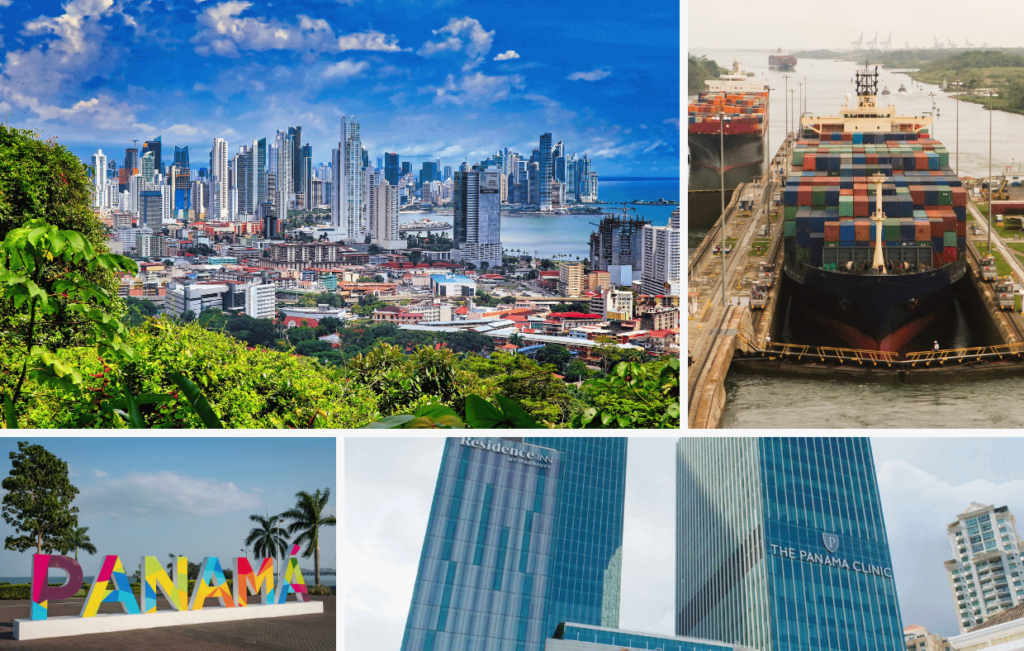
What Makes Panama Ideal for Medical Tourism in 2025: Complete Guide for North American Patients
 By
By
Medical tourism in Panama gives U.S. and Canadian patients high-quality care at 40 to 70 percent lower cost, at JCI-accredited hospitals that use the U.S. dollar.
Panama treats an estimated 50,000 international patients a year at 2 JCI-accredited hospitals in Panama City. One, Pacífica Salud, is affiliated with Johns Hopkins Medicine International. A single dental implant costs $1,500 to $2,100, and a knee replacement $7,000 to $12,000, well below U.S. prices.
This guide is written for patients deciding whether Panama is right for them. It covers what procedures cost, which hospitals hold JCI accreditation, how to verify a doctor, whether the care is safe, and how to plan your trip. Costs are drawn from MedicalTourismPackages.com data and safety from the Global Peace Index 2024.
What Is Medical Tourism in Panama?
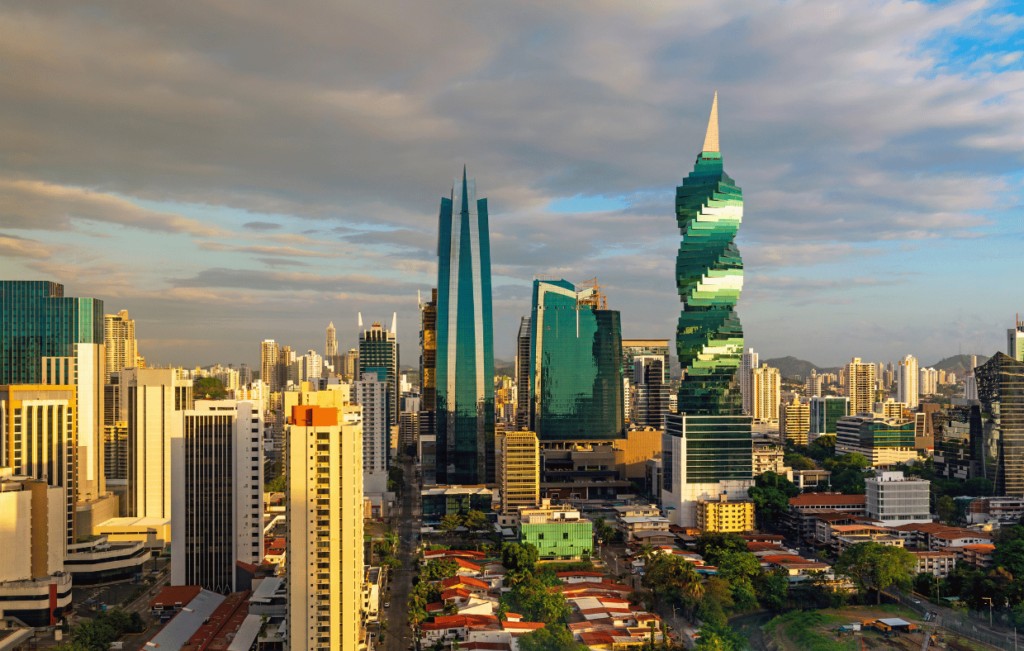
Medical tourism in Panama is traveling to the country for surgery or dental care at a much lower cost than in the United States or Canada. Panama treats an estimated 50,000 international patients each year and uses the U.S. dollar.
Panama focuses on high-value care rather than high volume. The country has 2 JCI-accredited hospitals. JCI stands for Joint Commission International, the same standard used by top U.S. hospitals. One hospital partners with Johns Hopkins Medicine International, which brings U.S. clinical standards to Panama City.
Panama’s patient volume is small next to its neighbors. Mexico sees about 1.2 million medical tourists a year, Colombia about 85,000, and Costa Rica an estimated 50,000. Panama chooses quality over quantity, with most international care concentrated in Panama City. For a deeper look at logistics and hospitals, see our guide for American medical tourists in Panama.
Panama uses the U.S. dollar, so you avoid currency risk. The Panamanian balboa is pegged one-to-one with the dollar. The price you see is the price you pay. This is steadier than countries with floating currencies.
How Much Can You Save on Medical Procedures in Panama?
You save 40 to 70 percent on most procedures in Panama, and over 80 percent on some dental work. The savings come from lower operating costs, not lower quality. Top hospitals use U.S.-trained doctors and the same FDA-approved devices found in American facilities.
Panama’s Law 419 (2024) fast-tracks approval for U.S. and European medical products. The cost tables below group procedures by type so you can compare Panama prices with U.S. prices.
What Do Major Surgical Procedures Cost?
Major surgery in Panama costs far less than in the U.S. Knee and hip replacement prices come from MedicalTourismPackages.com procedure data. Cardiac bypass and spinal fusion figures are third-party industry estimates and are not MedicalTourismPackages.com verified prices.
Here is how major surgical costs compare:
| Procedure | Panama Cost | U.S. Cost | You Save |
|---|---|---|---|
| Total Knee Replacement | $7,000 – $12,000 | $30,000 – $35,000 | 60% – 86% |
| Total Hip Replacement | $10,000 – $20,000 | $32,000 – $40,000 | 20% – 82% |
| Cardiac Bypass (estimate) | ~$18,000 | $70,000 – $123,000 | 74% – 85% |
| Spinal Fusion (estimate) | ~$25,000 | ~$110,000 | ~77% |
What Do Cosmetic Procedures Cost?
Cosmetic surgery in Panama costs roughly half of U.S. prices. A facelift runs $5,000 to $10,000 and a breast augmentation $3,000 to $5,500, according to MedicalTourismPackages.com plastic surgery data for Panama.
Here is how cosmetic costs compare:
| Procedure | Panama Cost | U.S. Cost | You Save |
|---|---|---|---|
| Facelift | $5,000 – $10,000 | $7,500 – $10,000 | up to 50% |
| Rhinoplasty (Open) | $2,500 – $5,000 | $7,500 – $10,000 | 45% – 67% |
| Breast Augmentation | $3,000 – $5,500 | ~$10,000 | 45% – 70% |
| Tummy Tuck | $4,000 – $7,000 | $8,000 – $12,000 | 40% – 67% |
| Brazilian Butt Lift | $2,500 – $5,000 | $8,000 – $15,000 | 60% – 80% |
What Do Dental Procedures Cost?
Dental work in Panama offers the deepest savings, often 60 to 80 percent. A single dental implant costs $1,500 to $2,100, and a full-arch All-on-4 restoration costs $10,000 to $15,000, per MedicalTourismPackages.com dental data for Panama. You can compare clinics and pricing on our dental implants in Panama page.
Here is how dental costs compare:
| Procedure | Panama Cost | U.S. Cost | You Save |
|---|---|---|---|
| Single Dental Implant | $1,500 – $2,100 | $3,000 – $3,500 | 30% – 70% |
| Mini Dental Implant | $600 – $1,000 | $1,500 – $2,500 | up to 60% |
| All-on-4 Full Arch | $10,000 – $15,000 | $40,000 – $80,000 | 25% – 71% |
| Smile Correction (6-8 Veneers) | $1,800 – $4,000 | $9,000 – $16,000 | 33% – 91% |
What Do Orthopedic Procedures Cost?
Orthopedic surgery in Panama saves you 40 to 86 percent versus U.S. prices. Hospitals use the same implant brands as American facilities. The figures below come from MedicalTourismPackages.com orthopedic data for Panama.
Here is how orthopedic costs compare:
| Procedure | Panama Cost | U.S. Cost | You Save |
|---|---|---|---|
| Total Knee Replacement | $7,000 – $12,000 | $30,000 – $35,000 | 60% – 86% |
| Total Hip Replacement | $10,000 – $20,000 | $32,000 – $40,000 | 20% – 82% |
| Carpal Tunnel Surgery | $2,500 – $3,500 | $6,000 – $10,000 | 71% – 79% |
These savings let many patients afford care they would otherwise delay. A procedure that costs $40,000 in the U.S. can leave room for surgery, flights, and recovery time within the same budget abroad.
Which Hospitals in Panama Are JCI-Accredited?
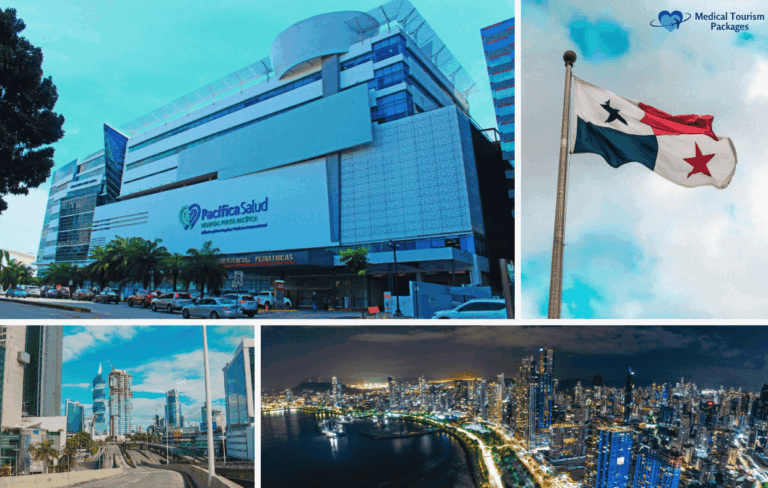
Two hospitals in Panama are JCI-accredited: Pacífica Salud (formerly Hospital Punta Pacífica) and Clínica Hospital San Fernando. Both earned JCI accreditation in 2011. Pacífica Salud is the only Central American hospital affiliated with Johns Hopkins Medicine International.
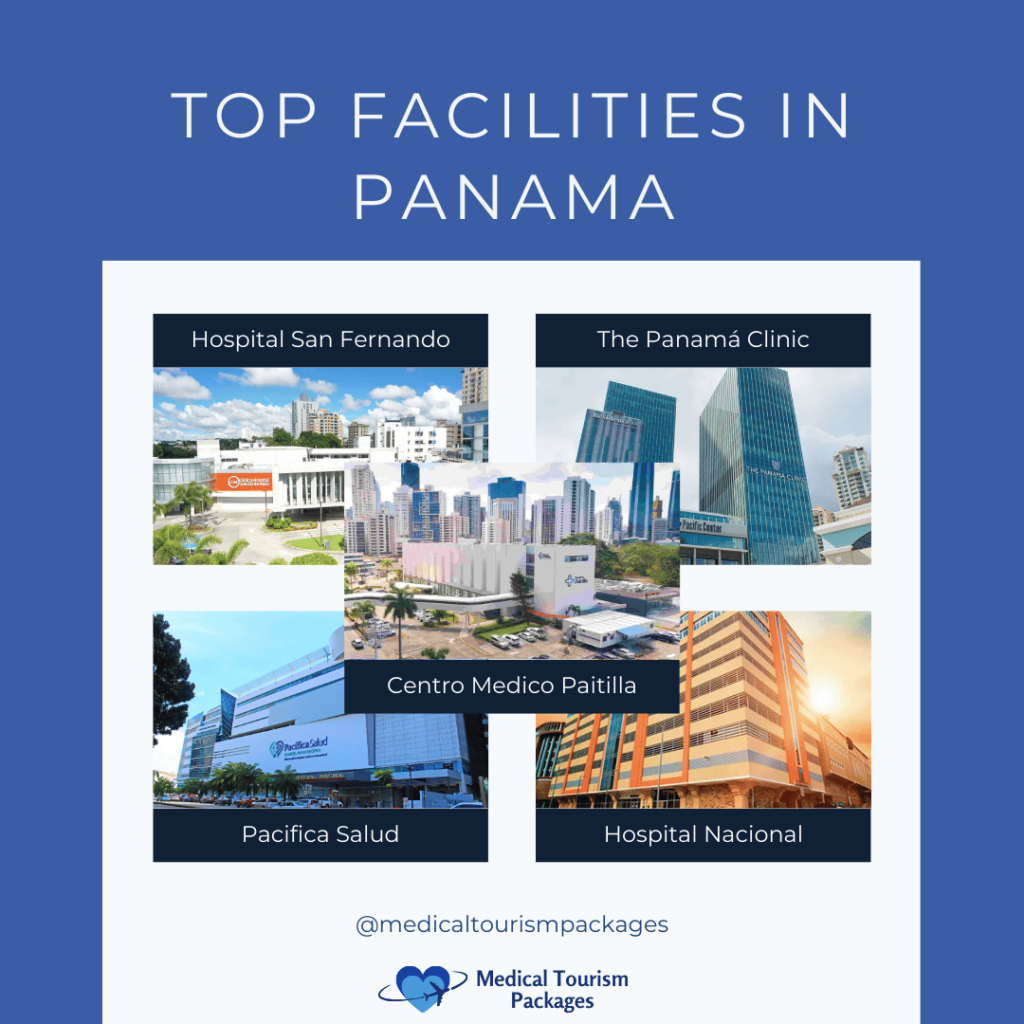
Here is how Panama’s leading hospitals compare:
| Hospital | Location | Accreditation | U.S. Affiliation | Key Specialties |
|---|---|---|---|---|
| Pacífica Salud (formerly Punta Pacífica) | Panama City | JCI (2011) | Johns Hopkins Medicine International | Cardiology, Orthopedics, Neurosurgery |
| Clínica Hospital San Fernando | Panama City | JCI (2011) | Tulane Medical Center, Baptist Health South Florida | Cosmetic Surgery, Bariatrics, Orthopedics |
| The Panama Clinic | Panama City | TEMOS | Mayo Clinic Care Network | Robotic Surgery, Oncology, Urology |
| Centro Médico Mae Lewis | David | Local | None listed | General Surgery, Cardiology, Orthopedics |
What Distinguishes Each Hospital?
Each hospital serves a different need. Pacífica Salud in Panama City is JCI-accredited and affiliated with Johns Hopkins Medicine International, which trains its staff and helps build clinical programs. It uses robotic and imaging technology such as the Da Vinci XI and 3T MRI, and runs a dedicated office for international patients.
Clínica Hospital San Fernando, founded in 1949, has been JCI-accredited since 2011. It works with Tulane Medical Center and Baptist Health South Florida in the United States. The hospital offers bariatric surgery, cosmetic surgery, oncology, and orthopedics, with a main campus in Panama City and a clinic in Coronado.
The Panama Clinic is not JCI-accredited but holds TEMOS certification for medical tourism and is part of the Mayo Clinic Care Network. It focuses on robotic surgery, oncology, and urology, and its staff speak several languages. The clinic accepts Medicare Advantage plans and bills insurers directly.
Centro Médico Mae Lewis in David is the leading private hospital in western Panama and serves expats in mountain towns like Boquete. It offers 24-hour emergency care, an ICU, and surgery, and accepts Medicare Advantage. Confirm any insurance billing directly with the hospital before you travel.
How Do You Verify a Doctor’s Credentials in Panama?
You verify a doctor’s credentials in Panama by checking the national licensing registry yourself, not by trusting hospital websites. Many Panamanian physicians trained in the U.S. or Europe, but you should confirm each doctor’s license and any board certification before you book.
Follow these three steps to verify your doctor:
- Check the license: Use the Consejo Técnico de Salud, Panama’s medical licensing board. Search your doctor’s name or license number, called the idoneidad, to confirm they are licensed and to verify their specialty.
- Check U.S. board certification: If your doctor claims U.S. certification, search their name at certificationmatters.org, the American Board of Medical Specialties website.
- Check U.S. training: Confirm U.S. training with ECFMG, the Educational Commission for Foreign Medical Graduates.
Every doctor practicing in Panama must be licensed with the Consejo Técnico de Salud. There are no exceptions, so this check is always available to you.
Is Medical Tourism in Panama Safe?
Medical tourism in Panama is safe when you choose a JCI-accredited hospital and verify your doctor. Care at top hospitals follows strict safety rules, and Panama ranks 96th on the Global Peace Index 2024. Clinical risk is low, but legal recourse for malpractice is limited.
Your clinical risk is low at JCI hospitals like Pacífica Salud and Clínica Hospital San Fernando. These hospitals follow international safety standards, and many doctors trained in the U.S. or Europe. The bigger concern is legal, not clinical.
Panama’s malpractice laws are weak by U.S. standards. If something goes wrong due to negligence, you have limited legal options and cannot sue the way you could at home. Your protection comes from choosing the right hospital and doctor upfront, so verify accreditation and credentials before you book.
Be cautious with stem cell therapy. Panama advertises stem cell treatments for autism, multiple sclerosis, Parkinson’s, arthritis, and aging. These treatments lack strong evidence, and long-term safety is unknown, especially for children. Stick to proven procedures such as heart surgery, joint replacement, dental work, and cosmetic surgery.
How Do You Plan a Medical Trip to Panama?
You plan a medical trip to Panama by booking flights, confirming visa-free entry, arranging payment, and planning recovery and follow-up care. Panama makes this easier than most destinations because it uses the U.S. dollar and requires no visa for U.S. and Canadian citizens.
How Do You Get to Panama?
You get to Panama by flying into Tocumen International Airport (PTY) in Panama City. Direct flights run from major U.S. cities, with Miami just over three hours away. Many hospitals offer airport pickup, and English is widely spoken in medical facilities.
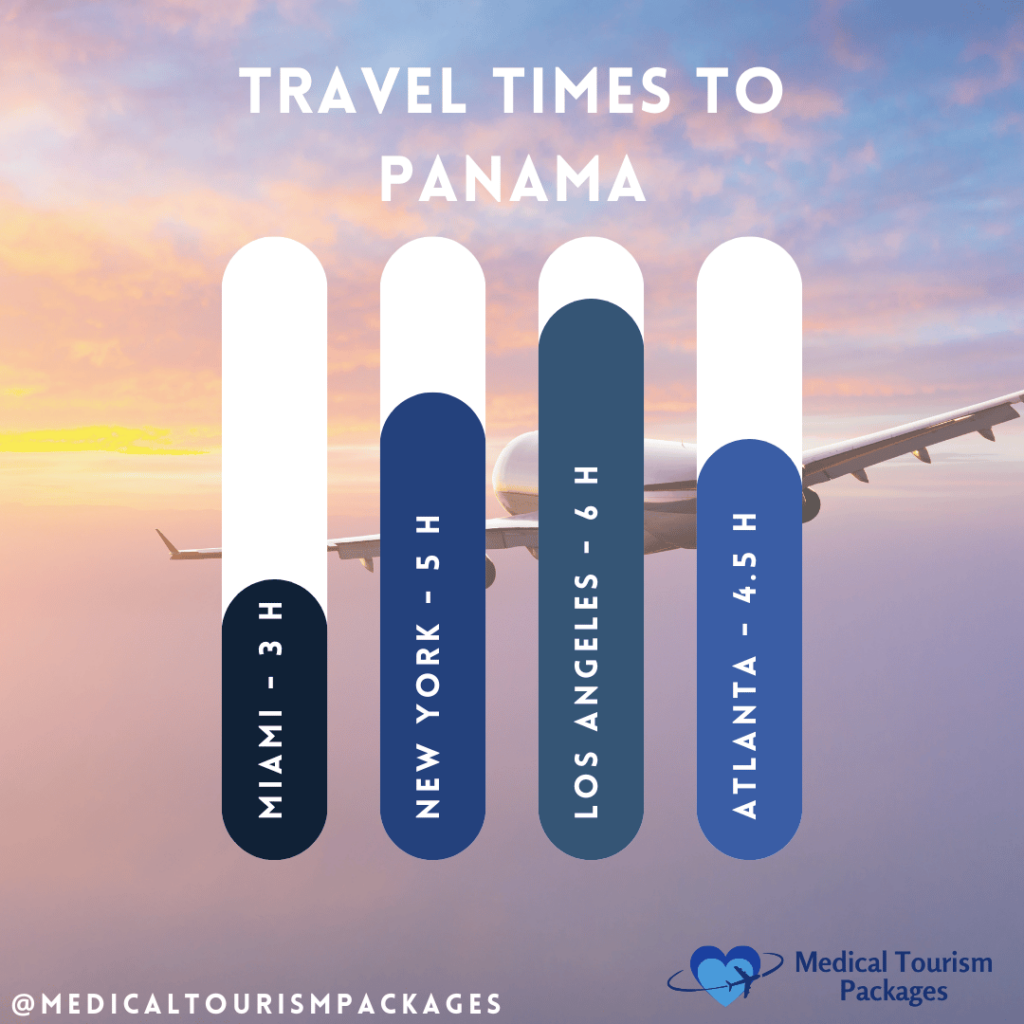
Here are direct flight options from major U.S. cities:
| Origin City | Flight Time | Roundtrip Cost | Airlines |
|---|---|---|---|
| Miami | 3.1 hours | $300 – $550 | Copa, American |
| New York | 5.5 hours | $450 – $700 | Copa |
| Houston | 4.25 hours | $420 – $700 | United |
| Los Angeles | 6.5 hours | $450 – $800 | Copa, United |
Panama uses Eastern Time, so most U.S. travelers feel little jet lag. East Coast patients can reach Panama in about the time of a cross-country U.S. flight.
What Are the Visa Requirements?
You do not need a visa to enter Panama as a U.S. or Canadian citizen. You can stay up to 180 days, which is six months. You show your passport at the airport, and it must be valid for at least three months beyond your entry date.
You also need a return ticket and proof of at least $500 in funds, shown by cash, a credit card statement, or a bank statement. The 180-day window gives you plenty of time, since complex procedures need only 10 to 21 days of recovery.
How Does Payment and Insurance Work?
Payment in Panama usually works on a pay-and-reimburse basis. You pay the full cost upfront, then file for reimbursement from your insurer later. Patients often pay $15,000 to $40,000 before treatment, and reimbursement can be slow and partial.
Direct billing is becoming more common. The Panama Clinic accepts Medicare Advantage plans and bills directly, and Centro Médico Mae Lewis accepts Medicare Advantage. Regular U.S. Medicare does not cover care outside the United States, so confirm coverage with your plan first.
If your hospital does not bill directly, consider international insurance. Plans such as Cigna Global, Allianz International, and GeoBlue Xplorer can cover treatment abroad. Get written pre-approval from both your insurer and the hospital before you assume direct billing applies.
Where Do You Recover?
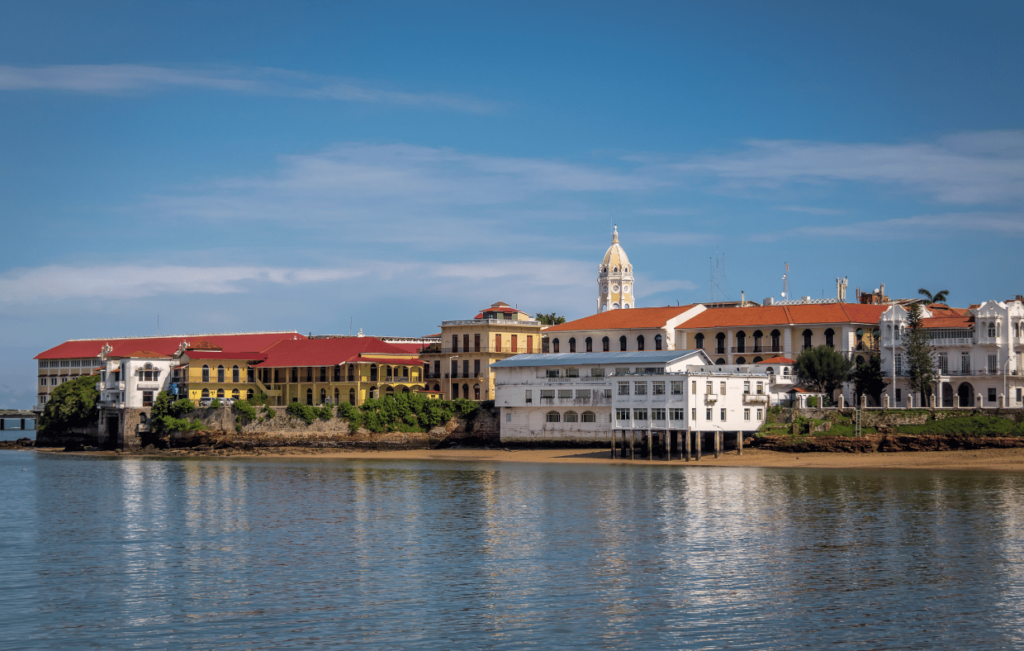
You recover in nearby accommodations chosen for comfort and proximity to your hospital. Top hospitals check you before you fly home and offer telemedicine follow-ups afterward. The most important step is arranging follow-up care with a doctor at home.
Many U.S. doctors are not familiar with complications from surgery performed abroad. Talk to your home doctor before you travel and make a clear plan for follow-up and any revisions. This protects you long after you leave Panama.
How Does Panama Compare to Other Countries?
Panama compares well for U.S.-style care, while other Latin American countries lead in different areas. Panama and Costa Rica focus on quality, while Mexico and Colombia compete on volume and price. The table below compares the main destinations.
Here is how the top destinations compare:
| Country | JCI Hospitals | Typical Savings | Specialty Strength |
|---|---|---|---|
| Panama | 2 | 50% – 70% | Cardiology, orthopedics, robotic surgery |
| Costa Rica | 2 | 45% – 65% | Dental, bariatric, eco-wellness recovery |
| Colombia | 6 | 60% – 80% | Cosmetic surgery, lowest cost |
| Mexico | 8 | 40% – 60% | Dental, bariatric, proximity |
Choose Panama for U.S. standards, the dollar, and English-speaking staff. Choose Costa Rica for dental work or eco recovery, Colombia for cosmetic surgery or the lowest cost, and Mexico for proximity from the West Coast. For a full side-by-side, see our guide to the best countries for medical tourism in Latin America.
What Medical Procedures Are Available in Panama?
Panama offers most procedures you would find in the U.S., and it excels at complex, high-technology care. Top hospitals in Panama City use robotic surgery systems, 3D navigation, and digital imaging across many specialties.
Available specialties in Panama include:
- Cardiology: Bypass surgery, angioplasty, valve replacement, and stroke treatment.
- Orthopedics: Knee and hip replacement, spine surgery, and sports medicine with 3D navigation.
- Robotic surgery: Prostate surgery, weight loss surgery, gynecology, and cancer treatment.
- Dentistry: Implants, veneers, and full-mouth restoration with digital imaging.
- Cosmetic surgery: Facelifts, breast surgery, nose surgery, and body contouring.
- Oncology: Cancer treatment, radiation, and chemotherapy.
- Eye care: LASIK and cataract surgery with laser technology.
- Fertility: IVF and fertility treatments at specialized centers.
Panama also offers full health checkups with comprehensive testing and specialist visits. These are faster and cheaper than in the U.S., and many Americans use them for preventive care.
What Is Your Pre-Flight Checklist for Panama?
Your pre-flight checklist for Panama covers verifying your hospital and doctor, getting a written quote, understanding payment, accepting the legal risk, and planning travel and follow-up. Complete every step before you book your trip.
Complete these seven steps before you go:
- Verify your hospital: Check JCI or TEMOS records and confirm accreditation is current.
- Verify your doctor: Use the Consejo Técnico de Salud to check the license, and certificationmatters.org for any U.S. board claim.
- Get a written quote: Ask for surgeon fees, hospital stay, anesthesia, implants, and recovery nights in writing, and know what is excluded.
- Understand payment: Assume you pay the full cost upfront, and get written pre-approval if you use insurance.
- Accept the legal risk: Know that malpractice lawsuits are difficult in Panama.
- Plan your travel: Add two to three buffer days before and after your procedure.
- Arrange follow-up at home: Talk to your home doctor and make a plan for complications or revisions.
Frequently Asked Questions
Is Panama safe for medical tourists?
Yes, Panama is safe for medical tourists who choose JCI-accredited hospitals like Pacífica Salud or Clínica Hospital San Fernando. These hospitals meet international standards, and many doctors trained in the U.S. or Europe. Legal recourse for malpractice is limited, so verify your hospital and doctor credentials before you book.
Do I pay everything upfront?
Most hospitals require full payment upfront, and you file for insurance reimbursement later. This is changing. The Panama Clinic accepts Medicare Advantage with direct billing, and Centro Médico Mae Lewis accepts Medicare Advantage. Get written pre-approval from your insurer and the hospital before you assume direct billing works.
Does Medicare work in Panama?
Regular U.S. Medicare does not cover care outside the United States. Some Medicare Advantage plans do. The Panama Clinic accepts Medicare Advantage, and Centro Médico Mae Lewis accepts Medicare Advantage. Call your plan provider to confirm Panama coverage before you book travel.
How long do I stay in Panama?
Minor procedures need three to five days in Panama, while major surgery such as heart or joint procedures needs 10 to 21 days. Add two to three buffer days on each end for travel. Your hospital coordinator will confirm timing based on your specific procedure.
Are devices and medications FDA-approved?
Yes, in most cases. Panama’s Law 419 (2024) fast-tracks approval for U.S. and European medical products. Implants, stents, and medications at top Panama hospitals are usually the same FDA-approved products used in the United States. Ask your hospital to confirm the specific brand before surgery.
What if I have complications at home?
Top Panama hospitals offer telemedicine follow-ups after you return home. You still need a U.S. doctor who can manage complications, since many are not familiar with surgery performed abroad. Talk to your doctor before you travel and agree on a follow-up plan for any complications or revisions.
Which hospitals in Panama are JCI-accredited?
Two hospitals in Panama hold JCI accreditation: Pacífica Salud (formerly Hospital Punta Pacífica) and Clínica Hospital San Fernando, both in Panama City and accredited in 2011. Pacífica Salud is the only Central American hospital affiliated with Johns Hopkins Medicine International.
Ready to Start Your Medical Tourism Journey to Panama?
Medical Tourism Packages helps you plan care in Panama from start to finish. We help you reach JCI-accredited hospitals, verify credentials, and coordinate travel and follow-up so you can focus on your treatment and recovery.
Contact us today for a free consultation about your procedure in Panama.