Book Appointment Now



What is Otoplasty in Panama and How Does Ear Surgery Work?
 By
By
Otoplasty, commonly known as ear surgery or ear pinning, is a cosmetic procedure designed to reshape, reposition, or resize the ears. In Panama, this surgical technique has gained popularity among both locals and medical tourists seeking to correct prominent ears, asymmetrical ear shapes, or congenital ear deformities.
The procedure typically involves making small incisions behind the ears to access the cartilage. Surgeons then reshape or remove excess cartilage and skin to achieve the desired ear position and appearance. Most otoplasty procedures take one to two hours under local or general anesthesia, depending on the complexity of the case.
Panama has emerged as a leading destination for otoplasty due to its combination of skilled plastic surgeons, modern medical facilities, and competitive pricing. The country’s strategic location and established medical tourism infrastructure make it an attractive option for patients from North America and Europe seeking high-quality ear surgery at a fraction of the cost found in their home countries.
Whether you’re considering otoplasty to boost self-confidence or correct a functional issue, understanding the procedure and Panama’s medical landscape can help you make an informed decision about this transformative surgery.
What is Otoplasty Surgery in Panama?
Otoplasty surgery in Panama is a specialized cosmetic procedure designed to permanently correct prominent, protruding, or misshapen ears. The surgery works by reshaping the ear cartilage to bring the ears closer to the head, creating a more balanced and natural appearance.
This procedure primarily addresses aesthetic concerns that can have a profound impact on an individual’s self-confidence. Many patients report feeling self-conscious about their ear appearance, which can affect their social interactions and overall quality of life.
Otoplasty has become a popular choice for both adults and children in Panama. While adults often seek the procedure after years of feeling uncomfortable with their ear appearance, parents frequently consider it for children who may face teasing or bullying due to prominent ears.
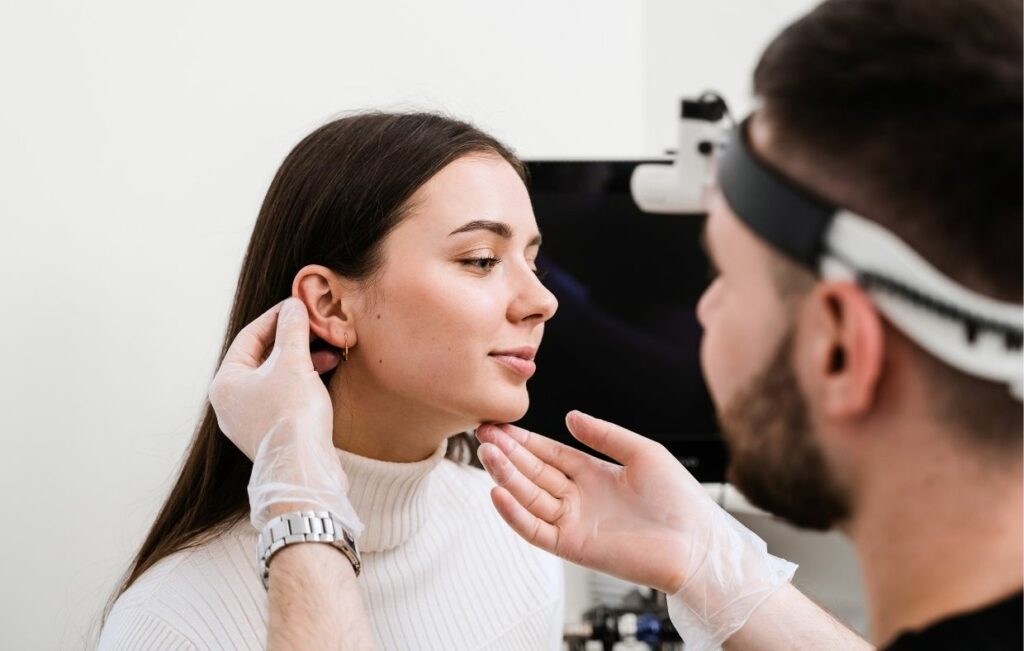
The procedure is performed on an outpatient basis for most adults, meaning patients can return home the same day. Surgery typically takes between two to three hours, depending on the complexity of the corrections needed.
One of the key advantages of otoplasty is its low invasiveness compared to other cosmetic procedures. The surgery offers predictable results with a manageable recovery timeline, making it an attractive option for patients seeking effective ear correction with minimal disruption to their daily lives.
What Types of Ear Surgery Procedures Can You Get in Panama?
Panama offers several otoplasty techniques to address different ear concerns and patient needs. The choice of procedure depends on the specific ear anatomy, desired results, and patient age.
All surgical techniques involve making incisions behind the ear to ensure discreet scarring that remains hidden from view. This approach allows surgeons to access the ear cartilage while maintaining natural-looking results.
| Technique Name | Method Description | Permanence | Best For (age group/condition) |
| Cartilage Cutting | Incision at back of ear, removes small piece of cartilage | Permanent | Adults and children with excess cartilage causing protrusion |
| Cartilage Folding | Removes skin then folds and stitches ear cartilage into new position | Permanent | Children and adults with normal cartilage amount but poor positioning |
| Non-surgical Molding | Uses devices and splints to reshape ears over weeks or months | Permanent if done early | Infants under 6 months with soft, malleable cartilage |
| Thread Lifts/Fillers | Temporary adjustments using threads or injectable fillers | Temporary (6-18 months) | Adults seeking minor corrections or trial results |
The cartilage cutting and folding techniques represent the most common surgical approaches in Panama. These methods provide permanent results and can address various degrees of ear prominence. Non-surgical options work best for very young patients or adults seeking temporary changes before committing to surgery.
Your surgeon will recommend the most appropriate technique based on your ear structure, age, and aesthetic goals during the consultation process.
Who Can Have Otoplasty Surgery in Panama?
Otoplasty surgery in Panama is most frequently performed on children, with the highest concentration of procedures occurring during early school-age years in the pre-adolescent period. This timing allows children to undergo correction before potential social challenges arise during their teenage years.
The patient demographics show a strong primary peak during childhood, followed by a secondary, flatter curve representing adult patients who seek correction later in life. Many adults choose otoplasty after years of feeling self-conscious about their ear appearance or after missing the opportunity for childhood correction.
For international patients, Panama offers convenient access for North American travelers. U.S. and Canadian citizens don’t need a visa for stays up to 180 days, making the country an accessible destination for medical tourism. This extended timeframe allows patients to complete their surgery and recovery without visa complications.
When considering otoplasty for children, the surgeon’s specific experience with pediatric patients becomes a key factor in selecting the right medical professional. Pediatric otoplasty requires specialized knowledge of developing ear anatomy and child-friendly surgical approaches. Parents should prioritize surgeons who demonstrate extensive experience working with young patients and understand the unique considerations involved in pediatric ear surgery.
Adult candidates generally have fewer restrictions and can undergo the procedure at any age, provided they are in good overall health and have realistic expectations about the surgical outcomes.
How Much Does Otoplasty Cost in Panama?
Otoplasty costs in Panama offer significant savings compared to procedures performed in the United States and other developed countries. The country has positioned itself as a value-based destination rather than simply the lowest-cost option, focusing on quality care at competitive prices.
Panama’s pricing advantage stems from lower operational costs, favorable exchange rates, and the country’s use of the U.S. dollar as its official currency. This eliminates currency exchange risks for American patients and simplifies financial planning for the procedure.
| Country | Average Cost Range (USD) | Savings vs U.S. | Key Advantage |
| United States | $5,000-$8,000 | Baseline | Insurance coverage possible |
| Panama | $1,700-$2,711 | 50-70% savings | U.S. dollar currency, quality facilities |
| Colombia | $1,500-$2,200 | 60-75% savings | Slightly lower cost |
| Mexico | $1,800-$2,800 | 45-65% savings | Proximity to U.S. border |
| Costa Rica | $1,800-$2,500 | 50-70% savings | Established medical tourism |
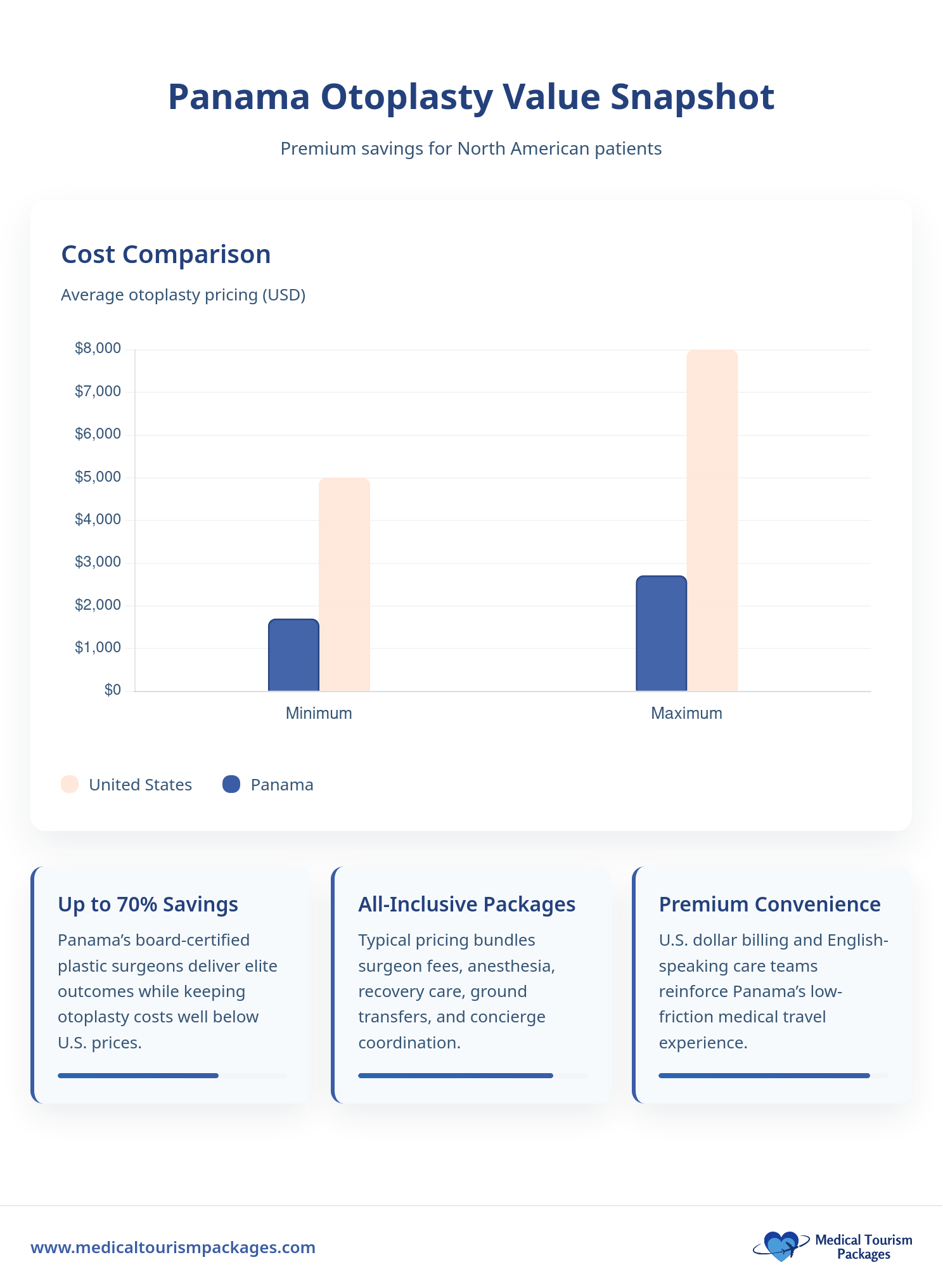
The cost ranges in Panama typically include the surgeon’s fee, facility charges, and basic post-operative care. Additional expenses such as accommodation, meals, and extended recovery care may apply depending on your specific needs and length of stay.
Panama’s strategy focuses on delivering value through experienced surgeons, modern facilities, and comprehensive patient care rather than competing solely on price. This approach attracts patients seeking quality results at reasonable costs while maintaining high safety and care standards.
What are the Best Hospitals for Ear Surgery in Panama?
When selecting a hospital for otoplasty in Panama, accreditation serves as the most reliable indicator of quality and safety standards. Only two hospitals in Panama currently hold Joint Commission International (JCI) accreditation: Hospital Punta Pacifica and Clínica Hospital San Fernando.
Hospital Punta Pacifica stands out as the premier facility, operating under Johns Hopkins Medicine International management. This partnership ensures adherence to world-class medical protocols and standards. Johns Hopkins physicians regularly rotate through the facility, providing ongoing oversight and knowledge transfer to local medical staff.
The quality metrics at these accredited facilities demonstrate exceptional performance standards. Hospital Punta Pacifica maintains a surgical site infection rate of just 0.5%, significantly lower than the U.S. average of 2-3%. This statistic reflects the hospital’s rigorous infection control protocols and surgical excellence.
JCI accreditation represents a demanding certification process that requires meeting over 1,200 measurable standards across all aspects of patient care, safety, and facility management. The accreditation process typically takes 18 to 24 months to complete, and many facilities fail their initial evaluation.
These standards cover everything from medication management and patient safety protocols to staff qualifications and emergency procedures. For otoplasty patients, this accreditation ensures that surgical suites, sterilization processes, and post-operative care meet international benchmarks.
Choosing a JCI-accredited facility provides patients with confidence that their ear surgery will be performed in an environment that meets the highest global healthcare standards.
How to Prepare for Otoplasty Surgery in Panama?
Proper preparation for otoplasty surgery in Panama involves careful research, documentation, and travel planning. Taking time to verify credentials and understand the regulatory landscape will help ensure a safe and successful procedure.
Understanding Panama’s medical regulations is crucial for patient safety. Any licensed physician in Panama can legally perform cosmetic procedures, creating a regulatory gap that requires patients to conduct thorough due diligence when selecting their surgeon.
Pre-Surgery Checklist:
Surgeon Verification:
- Verify surgeon’s APCPER membership (Panamanian Association of Plastic, Reconstructive and Aesthetic Surgery). Legitimate members typically respond to verification requests within 24-48 hours
- Confirm if surgeon holds ABPS certification (American Board of Plastic Surgery). Only approximately 12 surgeons in Panama currently maintain this prestigious certification
- Schedule a comprehensive pre-operative consultation to discuss expectations, techniques, and recovery
Travel Arrangements:
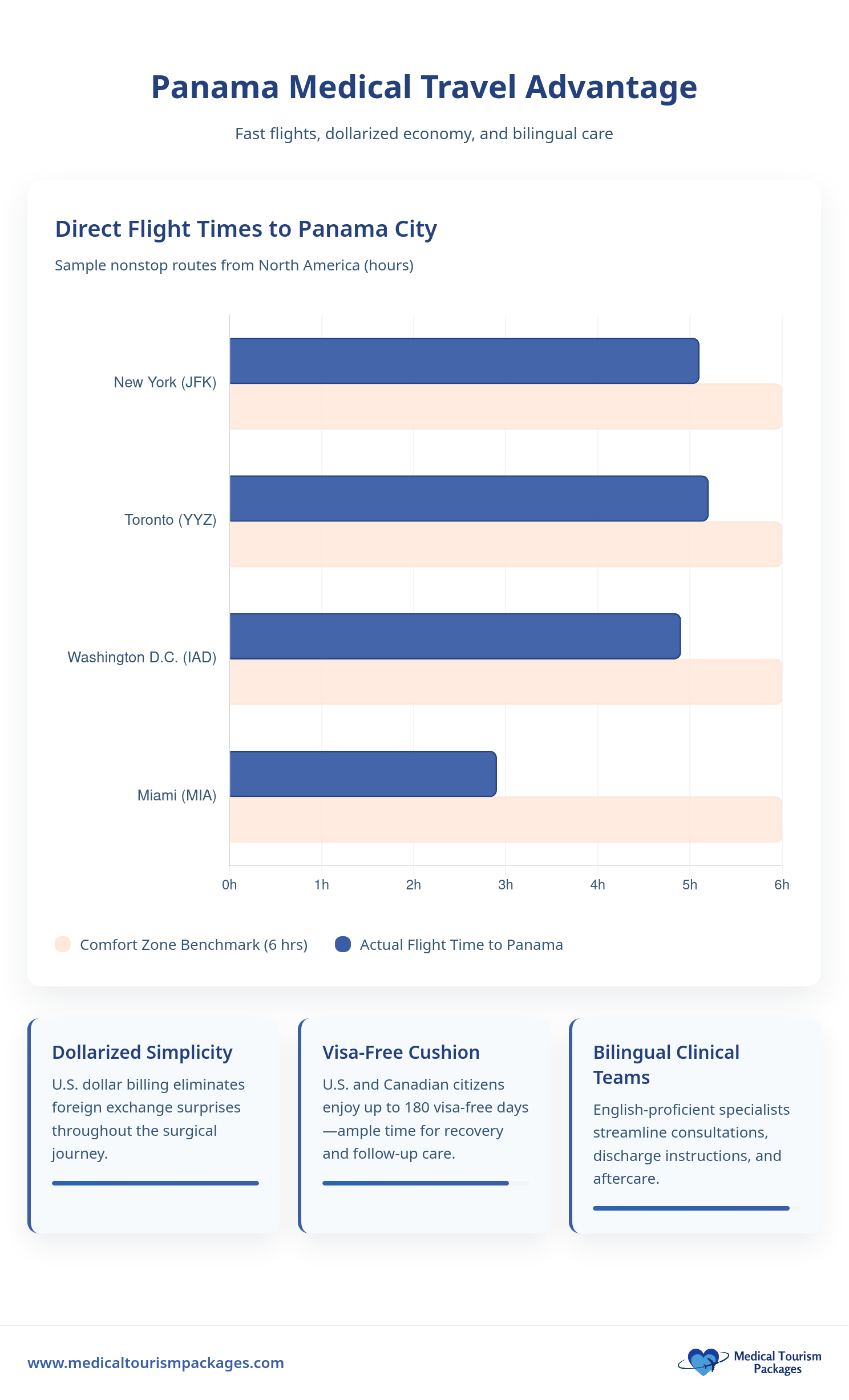
- Arrange travel logistics. Direct flights from the East Coast typically take 5-6 hours, making Panama easily accessible for North American patients
- Prepare required documents. No visa is needed for U.S. and Canadian citizens for stays up to 180 days, simplifying the entry process
- Plan accommodation near your chosen medical facility to minimize travel during recovery
Medical Preparation:
- Obtain complete medical records and any previous ear-related treatments
- Follow pre-operative instructions provided by your surgeon
- Arrange for post-operative care assistance, especially important for pediatric patients
The regulatory gap in Panama’s cosmetic surgery oversight makes surgeon selection the most critical aspect of preparation. Prioritize board-certified plastic surgeons with verifiable credentials and extensive otoplasty experience.
What Happens During the Otoplasty Procedure in Panama?
The otoplasty procedure in Panama follows standardized protocols at JCI-accredited facilities, ensuring consistent quality and safety throughout the surgical process. Advanced technology and experienced medical teams work together to deliver predictable results.
JCI-accredited facilities in Panama are equipped with Vectra 3D imaging systems for comprehensive surgical planning. This advanced technology allows surgeons to create detailed three-dimensional models of the patient’s ears, enabling precise planning and helping patients visualize expected outcomes. This imaging technology remains exclusive to JCI-accredited hospitals in Panama.
The surgical procedure typically takes two to three hours, depending on the complexity of corrections needed. Most adults undergo the procedure on an outpatient basis, meaning they can return to their accommodation the same day after a brief recovery period.
Anesthesia is administered by qualified anesthesiologists, with the cost included in most surgical packages. This eliminates unexpected expenses and ensures professional anesthesia management throughout the procedure. Patients receive either local anesthesia with sedation or general anesthesia based on their individual needs and surgeon recommendations.
At Hospital Punta Pacifica, surgical teams follow identical safety checklists and infection control protocols used at Johns Hopkins facilities. These standardized procedures include pre-operative verification, surgical site marking, equipment sterilization protocols, and post-operative monitoring guidelines.
The surgical process involves making discreet incisions behind the ears, reshaping or repositioning the cartilage, and closing the incisions with sutures. Surgeons use specialized techniques to ensure natural-looking results while maintaining proper ear function and sensation.
What is Recovery Like After Otoplasty in Panama?
Recovery from otoplasty in Panama follows a predictable timeline with manageable discomfort levels. Most patients experience some swelling, bruising, and mild pain during the first 24-48 hours, which is effectively managed with prescribed medications.
Comprehensive post-operative care packages in Panama typically include follow-up visits, stitch removal, and necessary medications such as antibiotics and pain relievers. This inclusive approach eliminates concerns about additional costs during the recovery period.
Recovery Timeline:
| Recovery Phase | Timeline | What to Expect |
| Immediate Post-Op | Day of surgery | Protective bandage applied, initial monitoring |
| Week 1 | Days 1-7 | Initial bandage worn continuously, rest and limited activity |
| Week 2 | Days 8-14 | Switch to lighter headband worn at night, swelling and bruising subsides |
| Return to Activities | Days 7-10 | Return to work or school becomes possible for most patients |
| Physical Activity | Weeks 4-6 | Resume strenuous activities and contact sports |
| Final Results | Months 3-6 | Final healing complete, permanent results visible |
The initial protective bandaging plays a crucial role in proper healing and maintaining the new ear position. Patients must wear this bandage continuously during the first week to protect the surgical site and support proper cartilage healing.
During week two, most patients transition to a lighter headband that only needs to be worn at night. This protective measure helps maintain ear positioning while sleeping and prevents accidental trauma during rest.
Pain management remains straightforward throughout recovery. Most patients report that discomfort peaks within the first 48 hours and steadily decreases thereafter. The included medications effectively control any pain or discomfort during the critical healing period.
What are the Risks of Getting Otoplasty in Panama?
Panama’s medical landscape operates as a dual-tiered system, featuring a small elite group of highly qualified surgeons alongside a broader population of less-regulated practitioners. Understanding this distinction is crucial for patient safety and surgical success.
The regulatory gap in Panama’s cosmetic surgery oversight represents the single greatest risk for medical tourists. While any licensed physician can legally perform cosmetic procedures, this regulatory flexibility requires patients to conduct comprehensive due diligence as a foundational safety requirement, not merely a suggestion.
Elite surgeons in Panama operate at a level equivalent to their U.S. and Canadian counterparts, often with international training and board certifications. These professionals work within JCI-accredited facilities that maintain a surgical site infection rate of just 0.5%, which is actually lower than the U.S. average of 2-3%.
Common Side Effects and Complications:
Expected Post-Operative Effects:
- Swelling and bruising during the first 24-48 hours
- Mild pain that is effectively managed with prescribed medication
- Temporary numbness around the surgical site
- All effects are manageable with proper post-operative care
Minimizing Risks: The key to safe otoplasty in Panama lies in selecting properly credentialed surgeons who operate within accredited facilities. Patients who verify surgeon qualifications, confirm APCPER membership, and choose JCI-accredited hospitals significantly reduce their risk exposure.
Rushing the surgeon selection process or prioritizing cost over credentials increases the likelihood of complications. The elite tier of Panamanian plastic surgeons delivers results comparable to developed countries, but patients must invest time in identifying these qualified professionals through proper research and verification processes.
Why Choose Panama Over Other Countries for Otoplasty?
Panama offers unique advantages for otoplasty patients compared to other medical tourism destinations in Latin America. The country’s strategic positioning, currency stability, and established medical infrastructure create compelling benefits for North American patients.
Panama’s medical tourism market is dominated by U.S. and Canadian patients, creating a healthcare system that caters specifically to their needs and expectations. This focus has resulted in higher English proficiency among medical staff and streamlined processes for international patients.
Country Comparison for Otoplasty:
| Country | Cost (USD) | Language | Currency | Safety/Stability | Travel Time from U.S. |
| Panama | $1,700-$2,711 | High English proficiency | U.S. Dollar | High political stability, lower crime rate | 5-6 hours direct |
| Mexico | $1,800-$2,800 | Variable English | Mexican Peso | Moderate, location-dependent | 2-5 hours |
| Colombia | $1,500-$2,200 | Limited English | Colombian Peso | Improving stability | 5-7 hours |
| Costa Rica | $1,800-$2,500 | Good English proficiency | Costa Rican Colón | High stability | 5-6 hours |
Panama’s Key Advantages:
Panama’s use of the U.S. dollar eliminates currency exchange risks and simplifies financial planning for American patients. This monetary stability extends to predictable pricing without fluctuation concerns.
The country maintains high political stability and lower crime rates compared to regional competitors, particularly in medical tourism zones. Panama’s established infrastructure supports safe travel and comfortable recovery environments.
English proficiency among medical professionals in Panama exceeds that found in Colombia and rivals Costa Rica’s levels. This communication advantage reduces misunderstandings and enhances patient comfort throughout the surgical experience.
Panama’s direct flight accessibility from major U.S. cities, combined with no visa requirements for stays up to 180 days, creates the most streamlined travel experience among Latin American options.
Can Children Have Otoplasty in Panama?
Children can indeed have otoplasty in Panama, and the procedure is most frequently performed on pediatric patients. Statistics show a significant peak in otoplasty procedures during pre-adolescent years, as parents often seek correction before children enter their teenage years and face potential social challenges.
Pediatric otoplasty involves psychological and developmental factors that are not present in adult surgery. Children’s emotional readiness, ability to follow post-operative instructions, and family support systems all play crucial roles in surgical success and recovery.
The timing of pediatric otoplasty depends partly on the child’s age and ear development. In very young infants, cartilage remains soft and malleable, allowing for non-surgical molding options using specialized devices and splints. This window typically closes around six months of age as the cartilage hardens.
Selecting the Right Surgeon for Children:
When considering pediatric otoplasty in Panama, it becomes critical to inquire specifically about the surgeon’s experience with younger patients. Not all plastic surgeons regularly perform procedures on children, and pediatric experience requires specialized skills and knowledge.
Parents should ask detailed questions about the practice’s pediatric protocols, including child-friendly surgical approaches, age-appropriate anesthesia management, and specialized recovery procedures. Surgeons experienced with children understand the unique anatomical considerations of developing ears and the importance of creating a comfortable environment for young patients.
Pediatric Recovery Considerations:
Aftercare and recovery must be managed differently for children compared to adult patients. Children require more intensive supervision during the healing process and may need modified activity restrictions. Parents play a crucial role in ensuring compliance with post-operative care instructions, particularly regarding protective headband wear and activity limitations.
The decision timeline for pediatric otoplasty often involves multiple consultations to ensure both child and parents feel comfortable proceeding with surgery.
What Financing Options Exist for Otoplasty in Panama?
Financing otoplasty in Panama requires careful planning since the procedure is considered cosmetic and falls outside traditional insurance coverage. Patients should assume all costs will be out-of-pocket expenses when budgeting for their surgery.
The payment structure in Panama differs from domestic healthcare systems, with most clinics requiring upfront payment rather than offering extended payment plans. This approach reflects the medical tourism model where international patients pay directly for services.
| Payment Method | Availability | Key Considerations |
|---|---|---|
| Insurance Coverage | Not available | Otoplasty classified as cosmetic procedure, excluded from coverage |
| Upfront Payment | Required by most clinics | Full payment typically due before or at time of surgery |
| Third-Party Financing | Available in home country | Medical loan companies, personal loans arranged before travel |
| Credit Cards | Widely accepted | U.S. dollar transactions, check international fees with card issuer |
| Direct U.S. Insurance Billing | Not available | Panama clinics do not bill U.S. insurance directly |
Since direct U.S. insurance billing is not available at Panamanian clinics, patients must handle all financial arrangements independently. The use of U.S. dollars as Panama’s official currency simplifies transactions and eliminates currency conversion fees for American patients.
Credit cards offer a convenient payment method, but patients should verify international transaction fees with their card issuers before travel. Some credit cards provide additional protections for medical procedures or travel-related expenses.
Third-party medical financing represents the primary option for patients seeking extended payment terms. These arrangements must be completed in the patient’s home country before traveling to Panama, as local clinics typically do not offer financing plans for international patients.
Planning ahead financially ensures a smooth surgical experience without payment-related stress during the medical tourism process.
How to Research Panama Otoplasty Surgeons?
Researching otoplasty surgeons in Panama requires systematic verification of credentials, experience, and patient outcomes. A broader evaluation of the surgeon’s entire practice is recommended rather than focusing solely on otoplasty procedures.
Limited procedure-specific reviews are common in medical tourism, making credential verification and direct communication with surgeons essential components of the research process. Many Panama practices offer all-inclusive packages that bundle surgery with accommodation, transport, and patient coordinators.
Surgeon Verification Checklist:
Essential Questions to Ask:
- How many otoplasty procedures do you perform annually?
- What is your specific experience with pediatric patients (if applicable)?
- What is your complication rate for otoplasty procedures?
- Can you provide before-and-after photos of recent cases?
- What revision rate do you experience with otoplasty?
Credential Verification Steps:
- ABPS (American Board of Plastic Surgery): Verify 6+ years of training including 3 years of plastic surgery residency
- ABCS (American Board of Cosmetic Surgery): Confirm 1-2 year fellowship completion and 300+ cosmetic procedures
- APCPER Membership: Verify active membership in Panama’s plastic surgery association
Where to Verify Credentials:
- American Board of Surgery (ABS) website for board certification status
- American Society of Plastic Surgeons (ASPS) member directory
- APCPER official membership listings
Review Platforms and Research:
- RealSelf.com for patient reviews and surgeon ratings
- Look specifically for complex procedure reviews rather than simple testimonials
- Search for reviews that discuss surgical outcomes and recovery experiences
Red Flags to Avoid:
- Surgeons without APCPER membership or who won’t share credentials
- Practices that refuse to provide detailed surgical history or complication rates
- Inability to verify board certifications through official channels
- Lack of hospital privileges at accredited facilities
Thorough research protects patients from the risks associated with Panama’s dual-tiered medical system and ensures selection of qualified professionals.
What Legal Protections Do Otoplasty Patients Have in Panama?
Legal protections for otoplasty patients in Panama are less stringent than those found in the United States, creating a regulatory environment that places greater responsibility on patients to verify surgeon qualifications and facility standards.
Panama’s medical regulations allow any licensed physician to perform cosmetic procedures, regardless of specialized training in plastic surgery. This regulatory gap means that patient selection of board-certified surgeons becomes the key factor in ensuring safety and quality outcomes.
Understanding Facility Partnerships:
Partnerships with U.S. brands or international hospital networks do not automatically confer JCI accreditation or guarantee adherence to international safety protocols. Patients must verify accreditation status independently rather than assuming quality based on marketing partnerships or facility branding.
Hospital Punta Pacifica’s management by Johns Hopkins Medicine International represents a verified partnership with established protocols, but other facilities may use similar branding without equivalent oversight or standards.
Personal Responsibility Requirements:
Personal due diligence becomes a foundational requirement rather than an optional precaution due to Panama’s regulatory gaps. Patients cannot rely solely on government oversight or professional licensing boards to ensure surgeon competency in cosmetic procedures.
This responsibility includes verifying board certifications, confirming facility accreditations, researching surgeon experience levels, and understanding the legal recourse available in case of complications or malpractice.
Financial and Insurance Considerations:
Patients should not expect domestic insurance policies to cover cosmetic surgery performed abroad, regardless of medical necessity claims. Insurance companies typically exclude coverage for procedures performed outside their approved provider networks.
Planning to pay the full cost out-of-pocket eliminates potential disputes with insurance providers and ensures clear financial arrangements with Panamanian medical facilities. This approach prevents complications that could arise from insurance claim denials or coverage disputes during the treatment process.
Frequently Asked Questions
What is otoplasty and why do people get it in Panama?
Otoplasty (ear pinning/ear reshaping) is a cosmetic procedure that permanently corrects prominent, protruding, or misshapen ears by reshaping ear cartilage. Panama attracts both locals and medical tourists for otoplasty thanks to skilled surgeons, modern facilities, and competitive pricing compared to the U.S. and Europe.
How does ear surgery (otoplasty) work in Panama?
Surgeons make small incisions behind the ears to access cartilage, then reshape, fold, or remove cartilage and skin to set the ears closer to the head. Procedures typically take 2–3 hours (sometimes 1–2 hours for simpler cases) under local anesthesia with sedation or general anesthesia. Most adult cases are outpatient, with same-day discharge.
What types of otoplasty procedures are offered in Panama?
Common options include cartilage cutting (removing a small cartilage strip), cartilage folding (suturing cartilage into a new position), infant ear molding (non-surgical splints under ~6 months), and temporary thread lifts/fillers. Cutting and folding are the most common surgical techniques and deliver permanent results; molding is best for infants, while thread/filler options are temporary.
Who is a good candidate for otoplasty in Panama, including children?
Both children and adults can benefit. Many surgeries occur in pre-adolescent years to address teasing concerns; pediatric cases require surgeons experienced with developing ear anatomy and child-friendly care. Adults can undergo otoplasty at any age if healthy and with realistic expectations. Infants under ~6 months may qualify for non-surgical ear molding.
How much does otoplasty cost in Panama?
Typical pricing ranges from about $1,700 to $2,711 USD in Panama—roughly 50–70% less than the U.S. average of $5,000–$8,000. Quotes often include surgeon fees, facility charges, anesthesia, and basic post-op care; travel, lodging, and extended recovery services are extra.
Which hospitals in Panama are best for ear surgery?
Two facilities hold Joint Commission International (JCI) accreditation: Hospital Punta Pacifica (managed by Johns Hopkins Medicine International) and Clínica Hospital San Fernando. Punta Pacifica reports a ~0.5% surgical site infection rate, markedly below the U.S. average of 2–3%, reflecting stringent protocols and high-quality care.
What is recovery like after otoplasty in Panama?
Expect swelling, bruising, and mild pain for 24–48 hours, controlled with prescribed meds. A protective bandage is worn continuously during week 1; a lighter headband is used at night in week 2. Many return to school/work in 7–10 days, resume strenuous activity at 4–6 weeks, and see final results by 3–6 months. Follow-ups and basic meds are typically included in care packages.
What are the main risks and how can I minimize them in Panama?
Beyond expected short-term swelling, bruising, mild pain, and temporary numbness, the biggest risk is Panama’s regulatory gap (any licensed physician can legally perform cosmetic surgery). Minimize risk by verifying APCPER membership, confirming board certifications (e.g., ABPS/ABCS), choosing JCI-accredited hospitals, and reviewing a surgeon’s otoplasty volume, complication, and revision rates.
Why choose Panama over other countries for otoplasty?
Panama combines competitive costs ($1,700–$2,711), high English proficiency, U.S. dollar pricing (no currency risk), strong political stability, and direct 5–6 hour flights from many U.S. cities. Its JCI-accredited hospitals and medical tourism infrastructure are tailored to North American patients, streamlining communication, planning, and recovery.
Here’s a short promotional section you can add:
Medical Tourism Packages – Your Trusted Partner in Panama
Planning an otoplasty in Panama can feel overwhelming, but you don’t have to manage it alone. Medical Tourism Packages specializes in arranging complete facilitation services, from connecting you with board-certified surgeons and JCI-accredited hospitals to handling travel, accommodations, and post-operative care. Our team ensures a safe, seamless, and stress-free experience so you can focus on your recovery and results.
Contact us today to start planning your journey with confidence.